Plant your history
Museums of History NSW cares for not only its houses, museums and collections, but also the historic gardens and grounds of nine of these properties – ranging from the extensive grounds of Vaucluse House and Rouse Hill Estate to the tiny backyards of Susannah Place.
Who are the people that care for our living collections? How do they manage our ageing tree population? And how do they use modern technology and machinery but still maintain the gardens’ historical look and feel? Ever wondered when ornamental garden plants were first introduced to Australia?
Our gardening staff and curators would like to share with you what we observe and learn in our work in the gardens. You’ll discover a wealth of horticultural knowledge – from basic plant information and gardening techniques and tips, to historical versus contemporary understandings of gardens, and what’s currently in bloom at our sites!
Vaucluse House

Kitchen Garden
The kitchen garden at Vaucluse House boasts an impressive variety of fruit and vegetables year round. The garden's design and plantings reflect historically documented cultivars from the nineteenth century colony, such as jam melons and custard apples. Discover the history of this humble plot and what's growing

Plant your history
Camellias light up the winter garden
Camellias put on a spectacular display of flowers through autumn and winter and are deservedly popular garden plants

Plant your history
Conservation in Action: Vaucluse House bush care
The gardens team undertake important work on the ecological restoration and recovery of the Olola Avenue boundary bushland

Plant your history
The variety of bamboo at Vaucluse House
One of the most beautiful plants growing at Vaucluse House is bamboo. A variety of different types are grown here
Elizabeth Farm

Plant your history
Sumptuous cape bulbs light up late summer gardens
Belladonna Lilies and Crinum Lilies are tough bulbs that never say die and can survive years of neglect

Plant your history
The Butterfly Rose at Elizabeth Farm
This is rosa mutabilis, also known as the Butterfly Rose, a shrub-rose found in the house’s eastern garden

Plant your history
The incredible Chinese elm tree at Elizabeth Farm
At Museums of History NSW our gardens are living links with the past. This is especially true of the venerable Chinese Elm Tree at Elizabeth Farm
Rouse Hill Estate

Plant your history
Summer scorchers don’t trouble this old-fashioned beauty
Crepe Myrtles (Lagerstroemia indica) flaunt their crayon-pastel coloured flowers from Christmas until the end of February and revel in hot summer weather. No amount of summer heat seems to faze these tough little trees, so long as there is some soil moisture

Plant your history
Prairie nymphs at Rouse Hill
The recent rain has brought out one of Rouse Hill’s tiniest garden jewels – the bright blue flowered Herbertia

Plant your history
In good hands
A week with the Gardens team shows historic garden conservation at its most hands-on
Meroogal
Browse all
Plant your history
The living collection at Meroogal
Just as the interiors of Meroogal were assembled over a century, so too its living collection – the garden - reflects the four generations of women who called the Nowra house home

Plant your history
Autumn Blooms at Meroogal
Our local horticulturist, Gail has been doing a fantastic job of taking care of the gardens at Meroogal and the plants are showing off their colours in appreciation

Plant your history
Garden renovations at Meroogal
During November 2016 we visited Meroogal in the south coast town of Nowra for two days to undertake a much-needed garden renovation
Meet our gardens team
*To edit The MHNSW Gardens team consists of a Horticulture Coordinator and six Horticulturists with different experiences and backgrounds working together to display our gardens and grounds at their best year-round. This is a complex task, as our gardens are unique and sometimes challenging, particularly because the historical value of our landscapes is very high. For example, we have what we believe to be the oldest living European Olive tree (Olea europaea var. europaea) in Australia at John Macarthur’s Elizabeth Farm. All of our gardens require a high level of care to maintain the look and feel that the original occupants may have experienced. It is quite humbling to know that you play a part in maintaining and preserving such unique living history.
Our weekly schedule usually involves visiting at least four to five of our sites, depending on each location’s event and venue hire commitments, as well as the horticultural calendar. With our sites being dispersed across Sydney and beyond, we have two main bases of operation - Vaucluse House and Rouse Hill House & Farm – making visits to our other locations from these sites.
However, beyond our schedules and calendars, it takes time and patience to learn all of the little idiosyncrasies of each garden, and to understand the sometimes-odd way we need to work with these intricate, precious and delicate garden tapestries.
Read more
Browse all
Plant your history
Beautiful bountiful bamboo
One of the most recognisable plants growing at Museums of History NSW today is bamboo. This colourful plant has a long history in colonial gardens
Plant your history
Sumptuous cape bulbs light up late summer gardens
Belladonna Lilies and Crinum Lilies are tough bulbs that never say die and can survive years of neglect
Plant your history
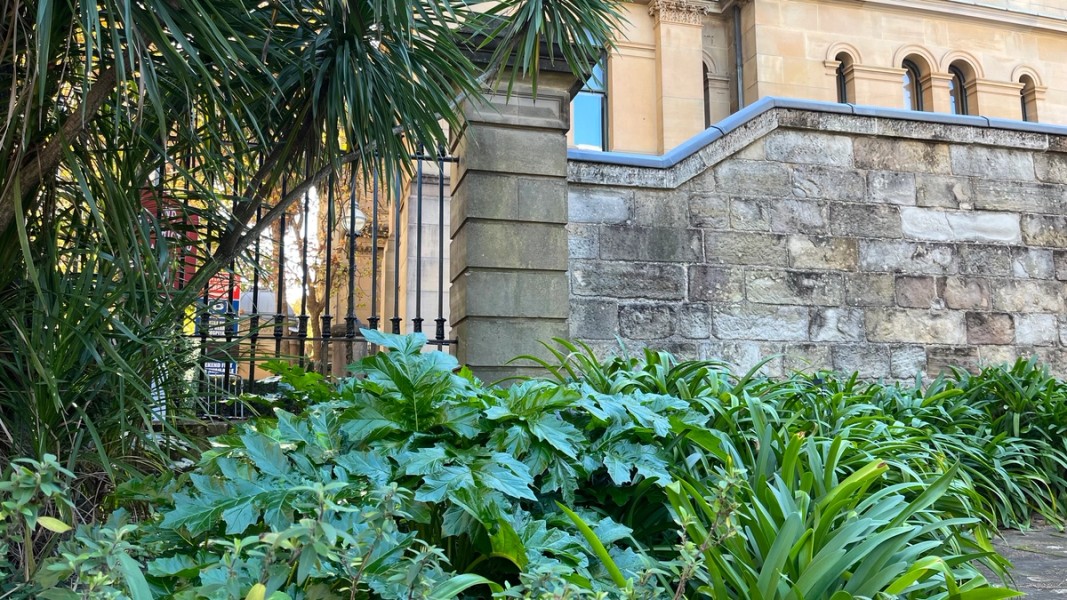
Acanthus - an apt symbol for The Mint
Look at any classical building today, anywhere in the world and chances are you will find an acanthus leaf lurking somewhere

Plant your history
Extending the olive branch
Just over a year ago we started a project to ensure the survival of the Elizabeth Farm European olive tree (Olea europaea), which is believed to be Australia’s oldest living cultivated olive tree