12 Dec 1885 - Lord Carrington appointed Governor of NSW
On 12 December 1885 Charles Robert Carrington, Lord Carington, began his tenure as Governor of New South Wales. He was Governor until 3 November 1890.
The appointment of Lord Carrington* as Governor of NSW was described by the Sydney Morning Herald on 11th June 1885 as ‘most auspicious’ and the article highlighted
the fact that Lord Carrington is a nobleman, a friend of the Prince of Wales, a cousin of Lord Rosebery, and a personage at Court’.1
This ‘most auspicious’ appointment attracted much ceremony in NSW and as a consequence saw the creation of highly decorative illuminated addresses and photograph albums to be officially presented to the Governor.
During his time as Governor of NSW it was said Lord Carrington, aided by his wife, re-established the opulence of Government House and the grandeur of the office of Governor.2
*The Carington family name is spelled with one ‘r’ while the title Lord Carrington is spelt with two ‘r’s.
Read more: Biographical note in the catalogue
Related
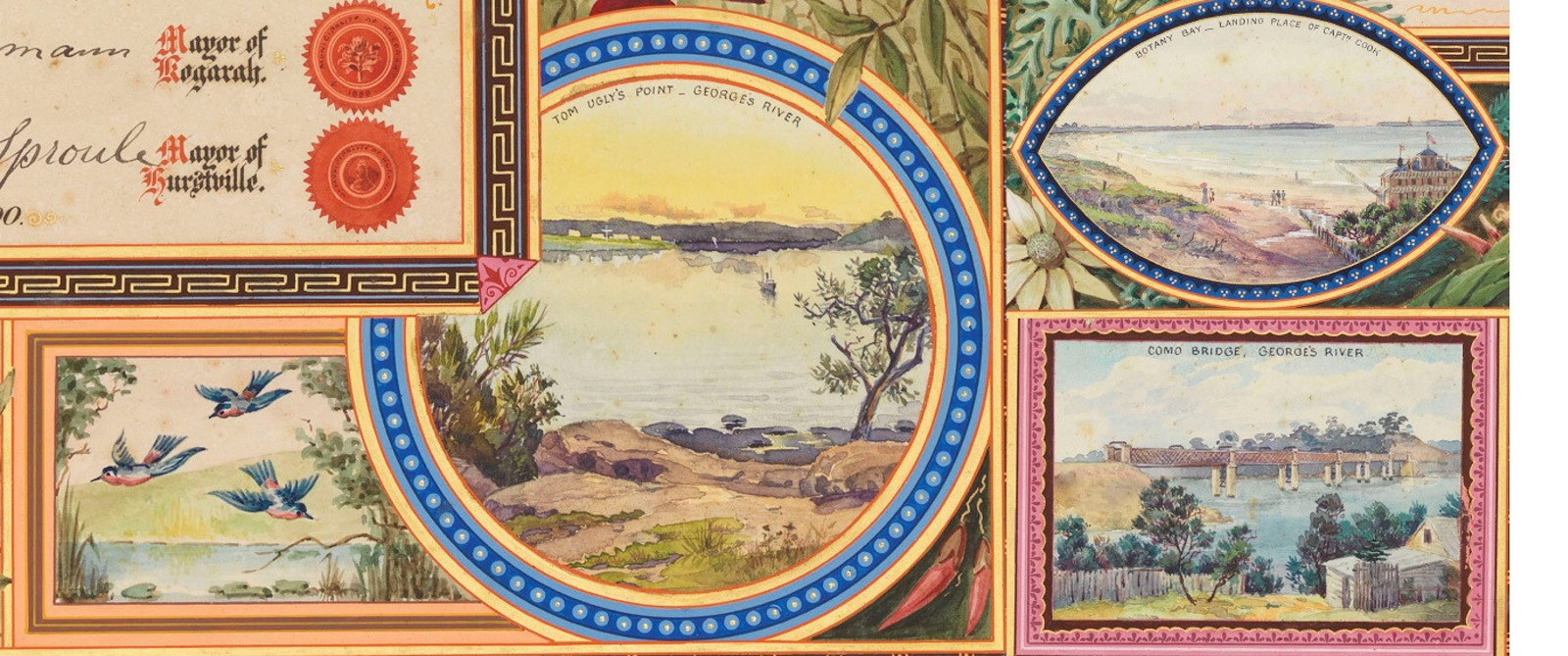
Carrington albums – illuminated addresses
On 2nd January 2014 State Records NSW received 22 Presentation albums from the Centre for Buckinghamshire Studies in Aylesbury, Buckinghamshire, United Kingdom
Footnotes
- 1885 ‘NEWS OF THE DAY.’, The Sydney Morning Herald (NSW : 1842 – 1954), 2 December, p. 11, viewed 12 May, 2014, http://nla.gov.au/nla.news-article13605432
- Rollo Gillespie, Viceregal Quarters: An Account of the Various Residences of the Governors of New South Wales from 1788 until the Present Day, Australia, Angus and Robinson Publishers, 1975, p 195
Published on
On this day
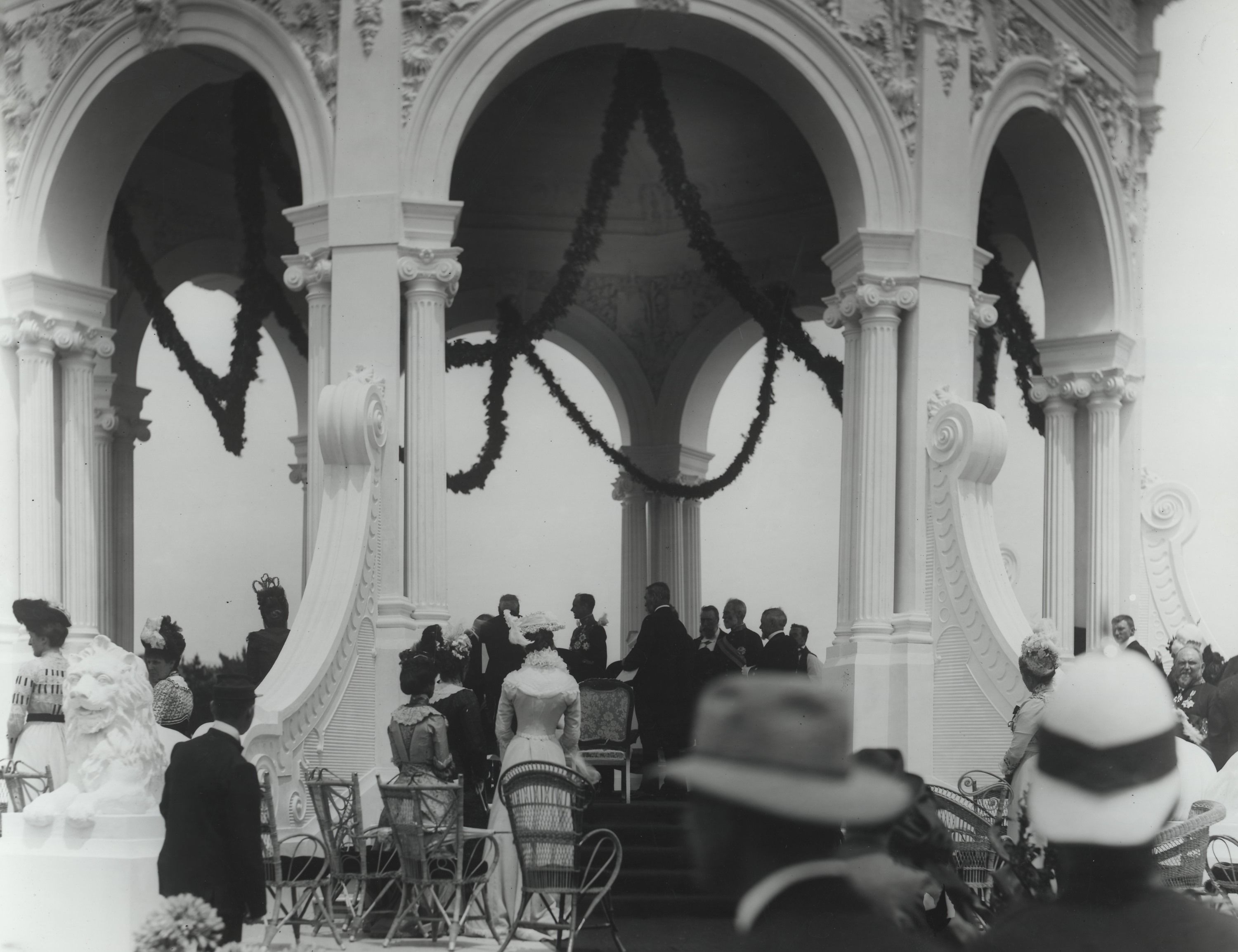
Celebrating federation
The Commonwealth of Australia was proclaimed on 1 January 1901. The Federation Pavilion in Sydney’s Centennial Park was the focus of the inauguration ceremonies and a five mile procession through the decorated streets of Sydney was greeted by large crowds
On This Day
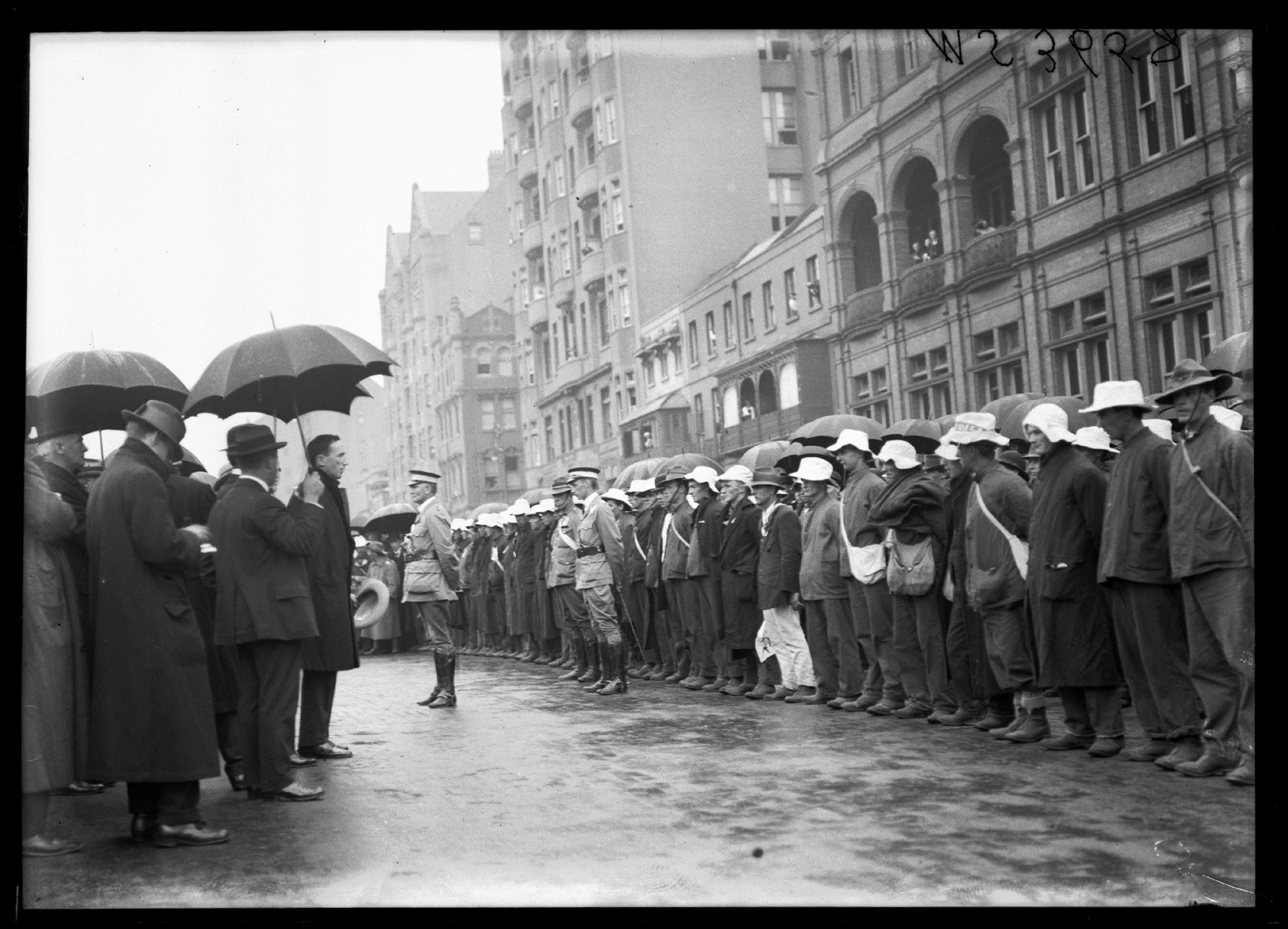
17 Dec 1915 - 'Waratah' recruitment march
On 17 December 1915 the "Waratah" recruitment march arrived in Sydney
On This Day
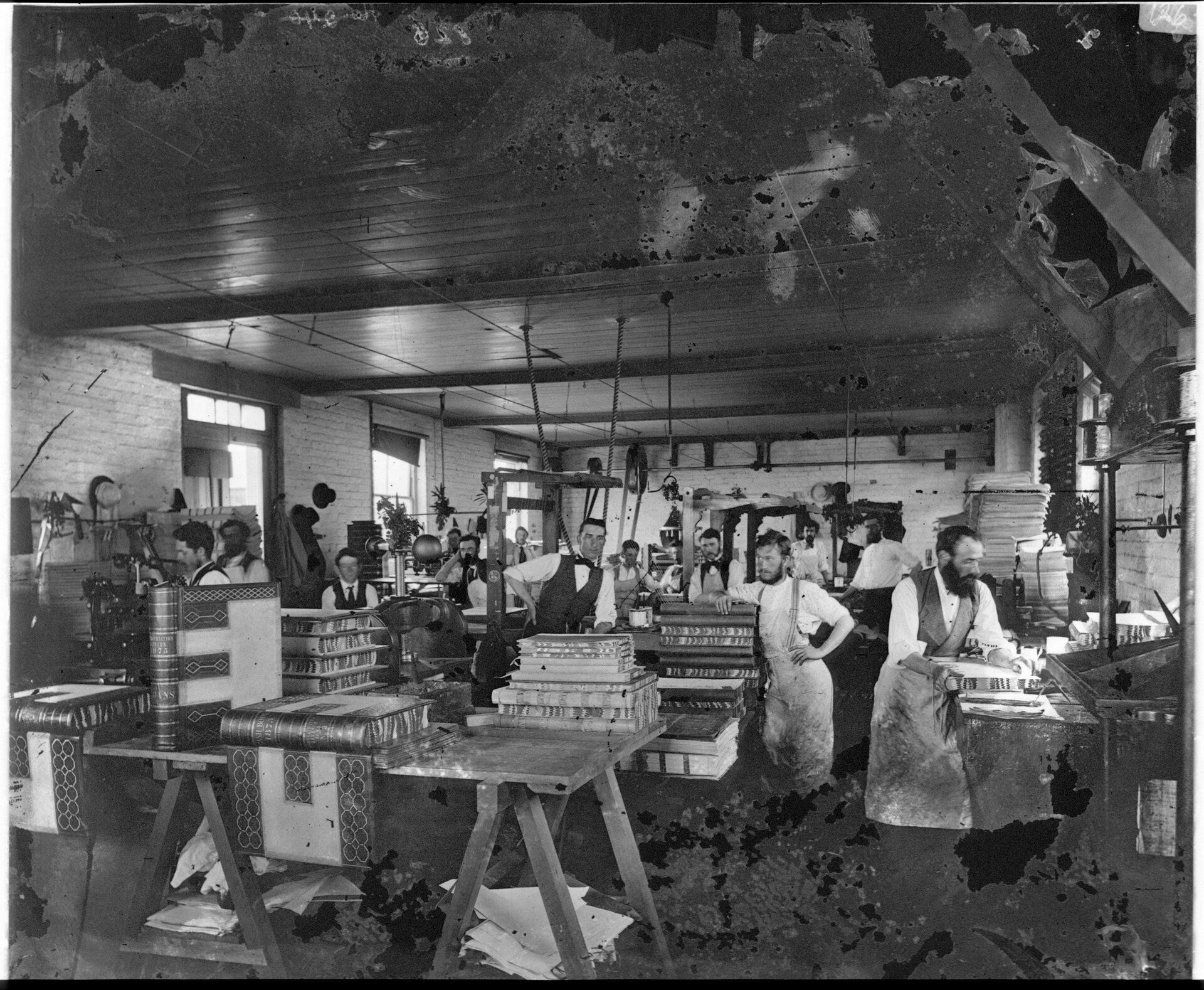
14 Dec 1840 - Government Printer appointed
John Kitchen was appointed as the first government printer in the newly established Government Printing Office
On This Day
1916 military riot in Sydney
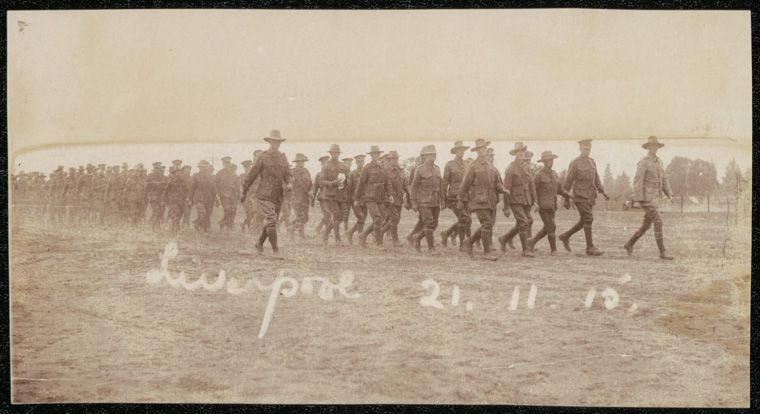
On 14 February 1916 thousands of soldiers from the Liverpool military camp took strike action