Primary resources

A range of online resources designed to support student learning in the classroom or at home.

Early Stage 1

Resource

Life in the past...stinks!

We can’t go back in time, we can still visit the places where people once lived and worked - and do some of their jobs
Resource

Growing Up in the Past

Travel back in time at Rouse Hill Estate and meet the children who lived in the overseer’s cottage with their family. See what daily life would have been like over 150 years ago

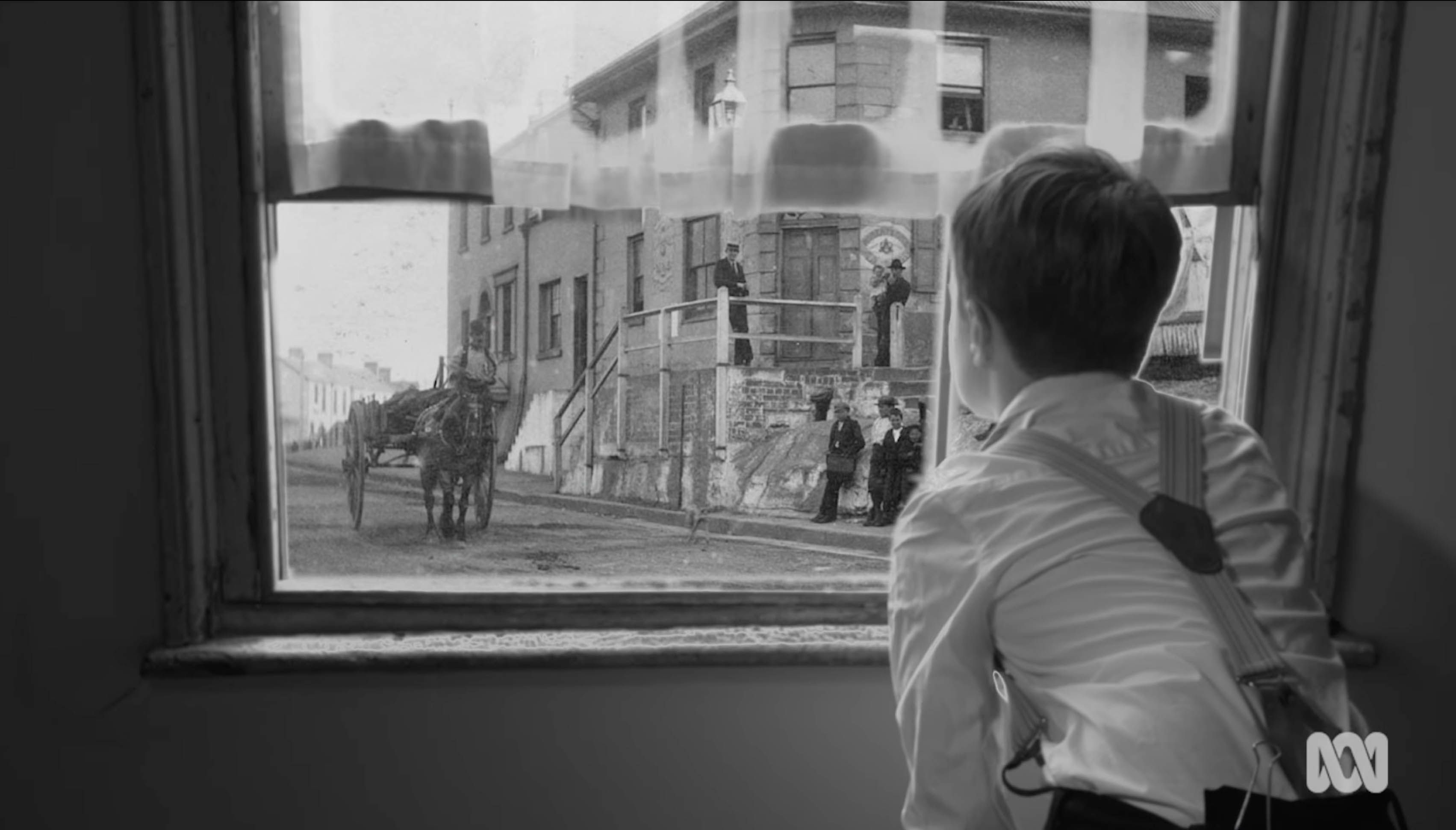
Black and white image of a boy looking out a window

Growing up in the early 1900s

What was life like for ordinary working-class children living in the suburbs or on the fringes of Australian cities in the early 1900s?
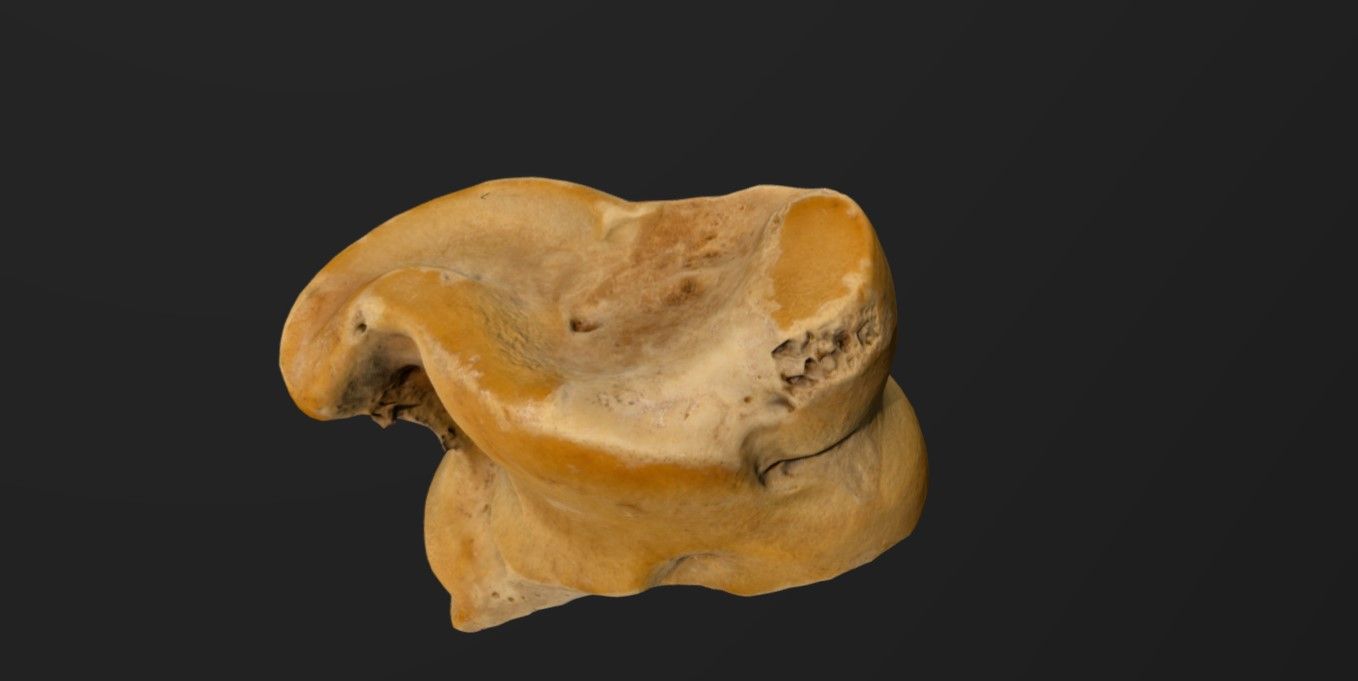
3D model of a bone object
Resource

Toys in the past

Let your Stage 1 students explore this 3D mystery object to find out more about games played by children and adults in the past

Stage 1

Resource

A is for Archaeologist!

Archaeologists study objects as sources of evidence. But first they have to dig them up!

At the southern paddock waterfall, Vaucluse House
Resource

Waterway investigation

Use this resource to conduct your own investigation of a local waterway

Two people inside the Tank Stream
Resource

Tank Stream – before and after 1788

Why did the First Fleet land at Sydney Cove in 1788?

CPD Damien Egan showing a bean seed to students wearing gardening gloves in the kitchen garden.
Resource

How to grow broad beans

Some handy hints to help you look after your broad bean seed after your excursion to Vaucluse House

Students holding their sewing squares during the program Lessons from the Past at Rouse Hill Estate
Resource

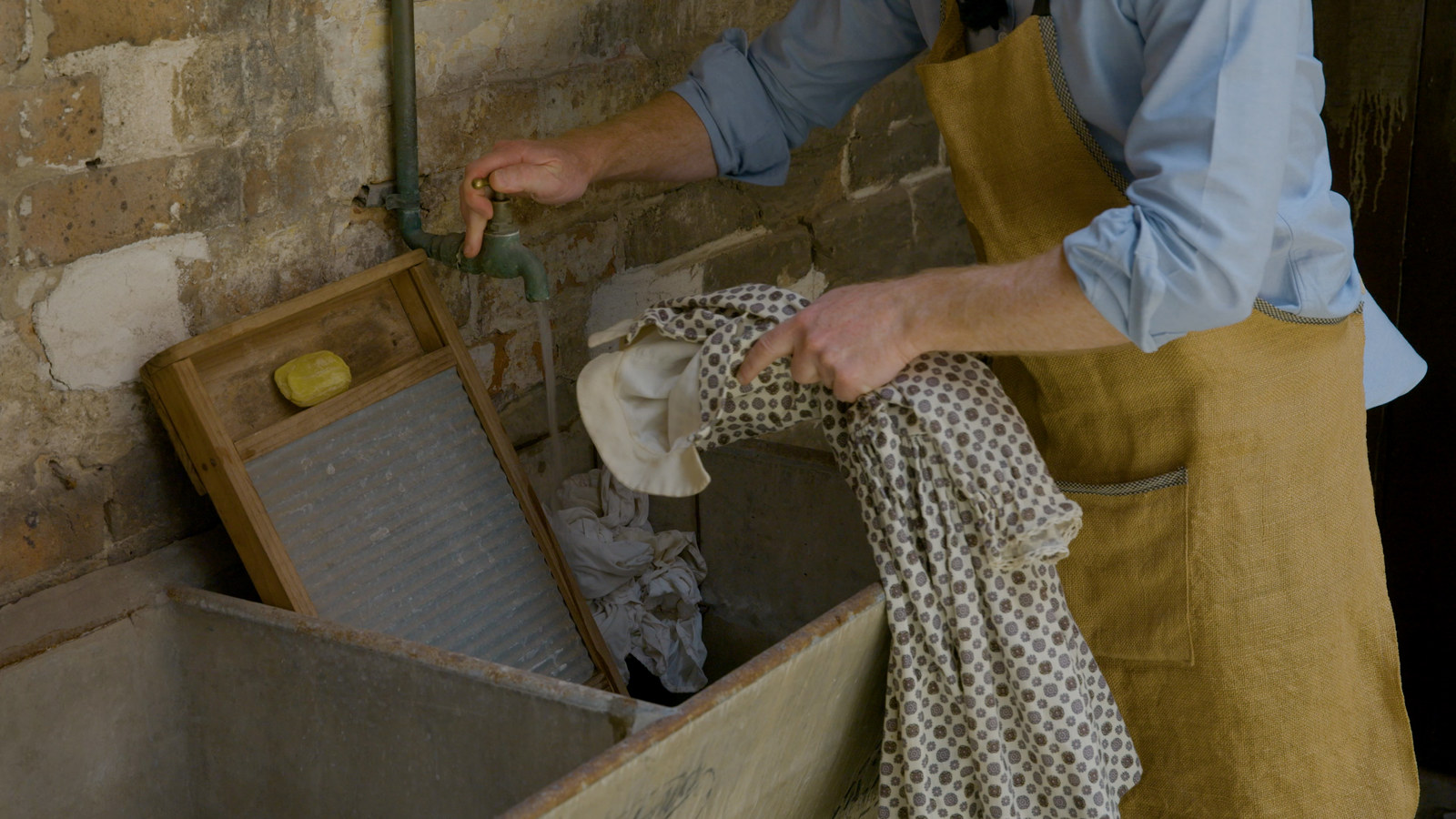
How to finish your sewing square

Follow these easy, step-by-step instructions to complete the house shape on your sewing square from Rouse Hill Estate

3d model of a block of terrace houses
Resource

Susannah Place

Take a closer look at this 3D scan of Susannah Place, as shown in our Virtual Excursion ‘Solve It Using Sources’

Stage 2

Resource

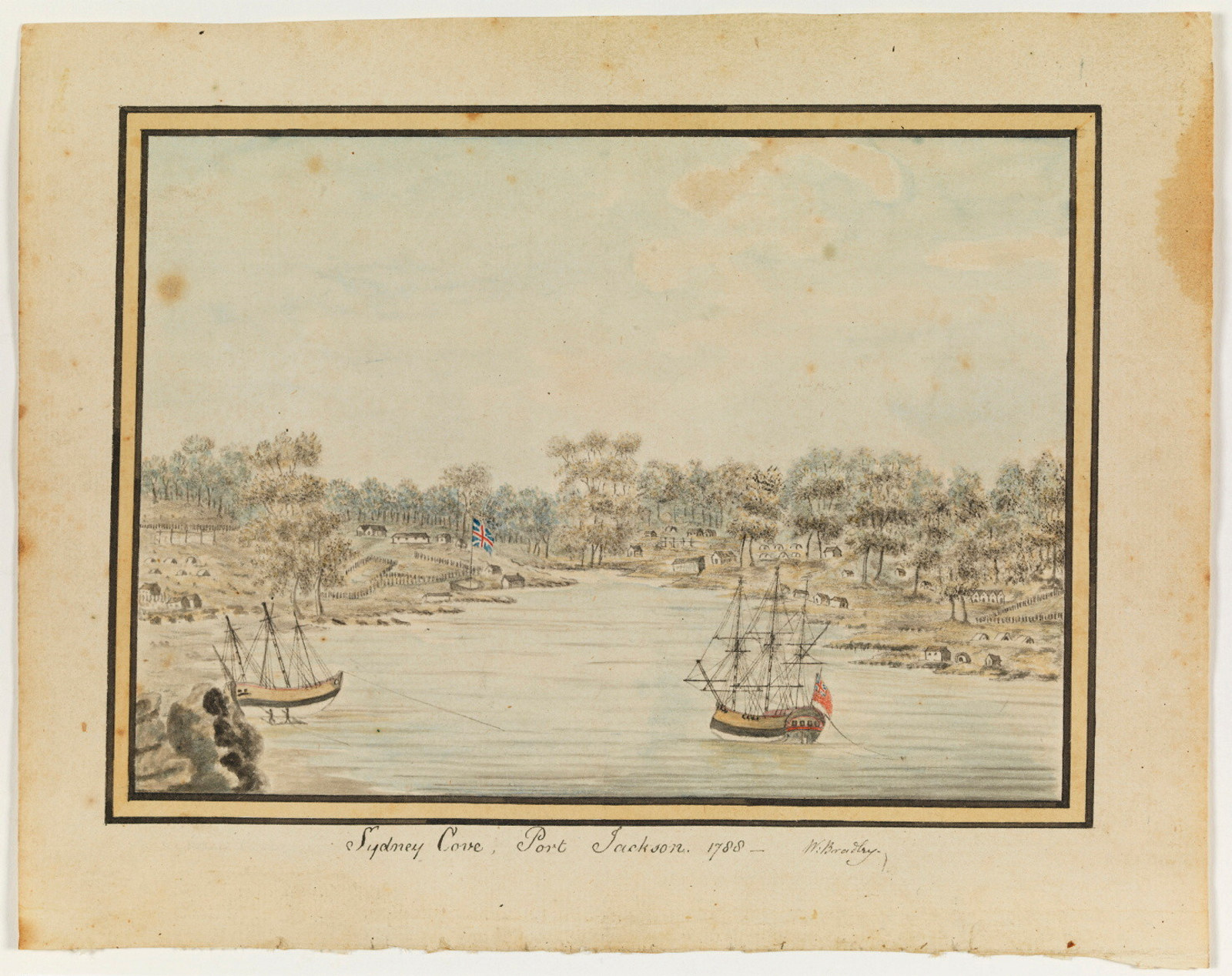
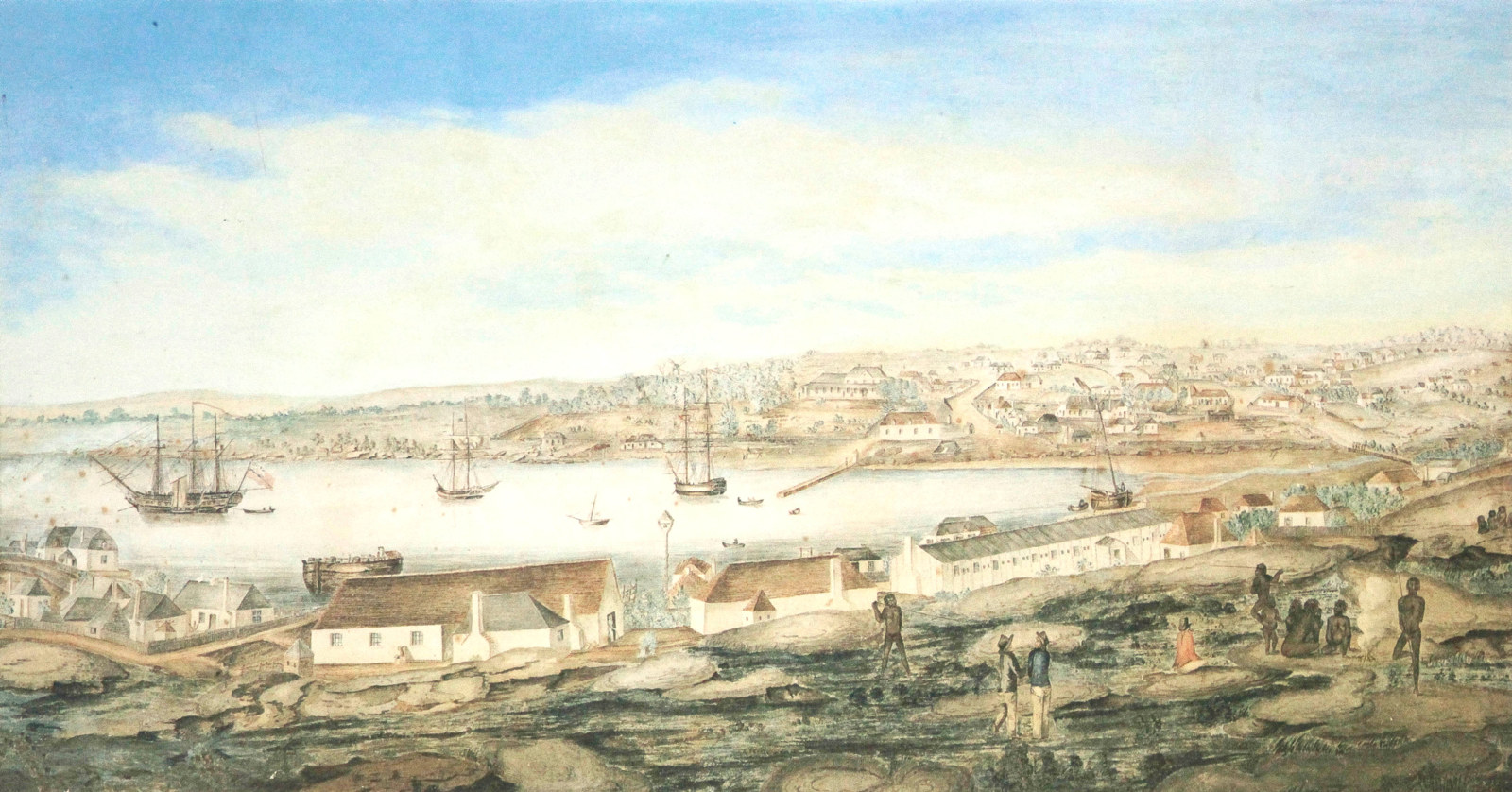
Investigating the penal settlement at Sydney Cove

Learn how sources provide evidence of how people lived in the first penal settlement at Sydney Cove

Two people inside the Tank Stream
Resource

Tank Stream – before and after 1788

Why did the First Fleet land at Sydney Cove in 1788?

Between the mountains and the sea, Lorraine Brown and Narelle Thomas, 2008. Photo © Bernie Fisher, 2022. Artworks © the artists
Resource

Understanding the Art of Place

Discover how we can understand and connect to place through art, and consider how a place can mean different things to different people

Domestic-servant-square.jpg
Resource

Day in the life of a convict

Between 1819 and 1848 over 50,000 male convicts passed through the Hyde Park Barracks

LON10_EDU_008.jpg
Convict Sydney

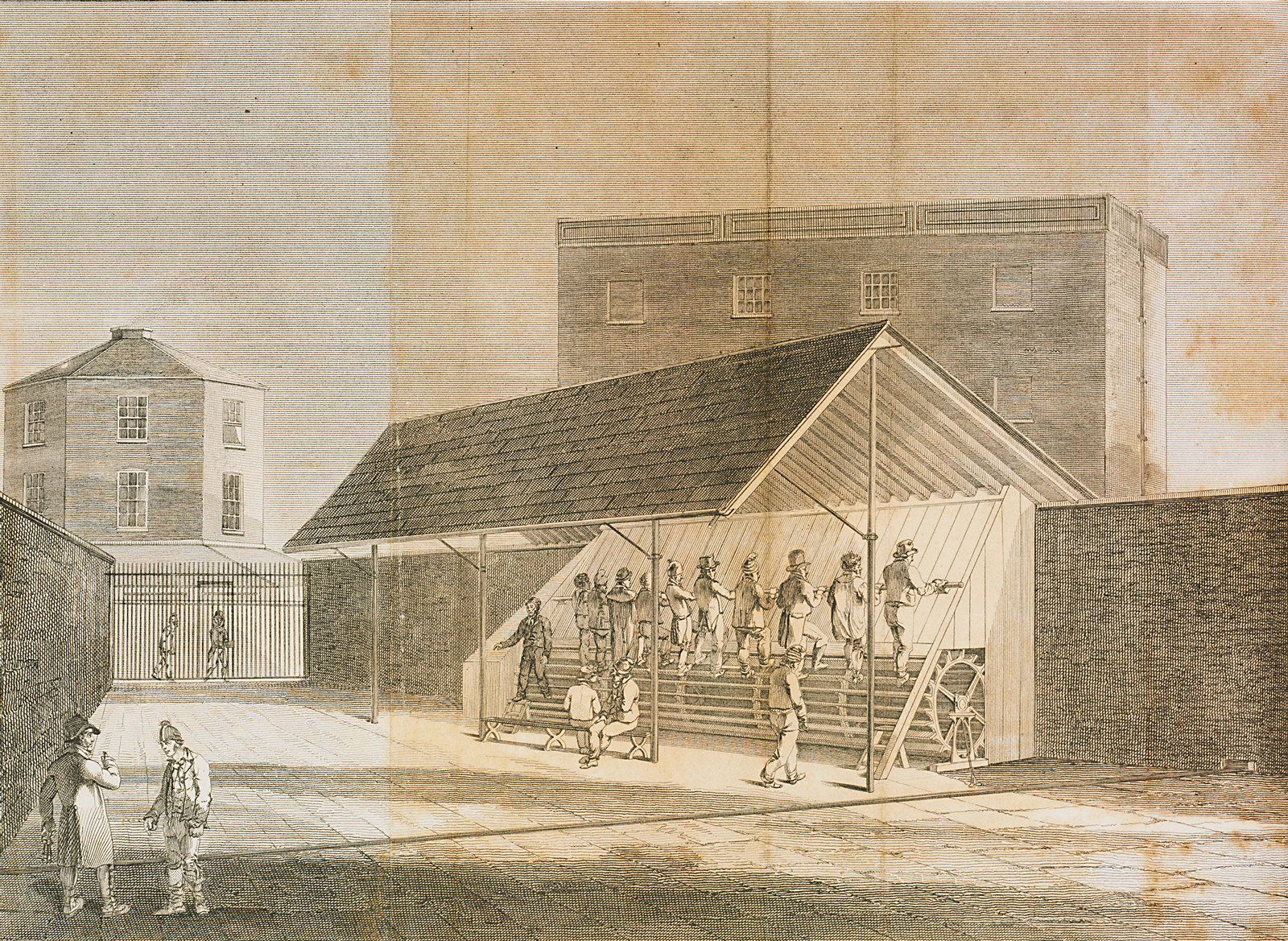
Convict punishment: the treadmill

As a punishment, convicts were made to step continuously on treadmills to power wheels that ground grain

First Fleet Ships

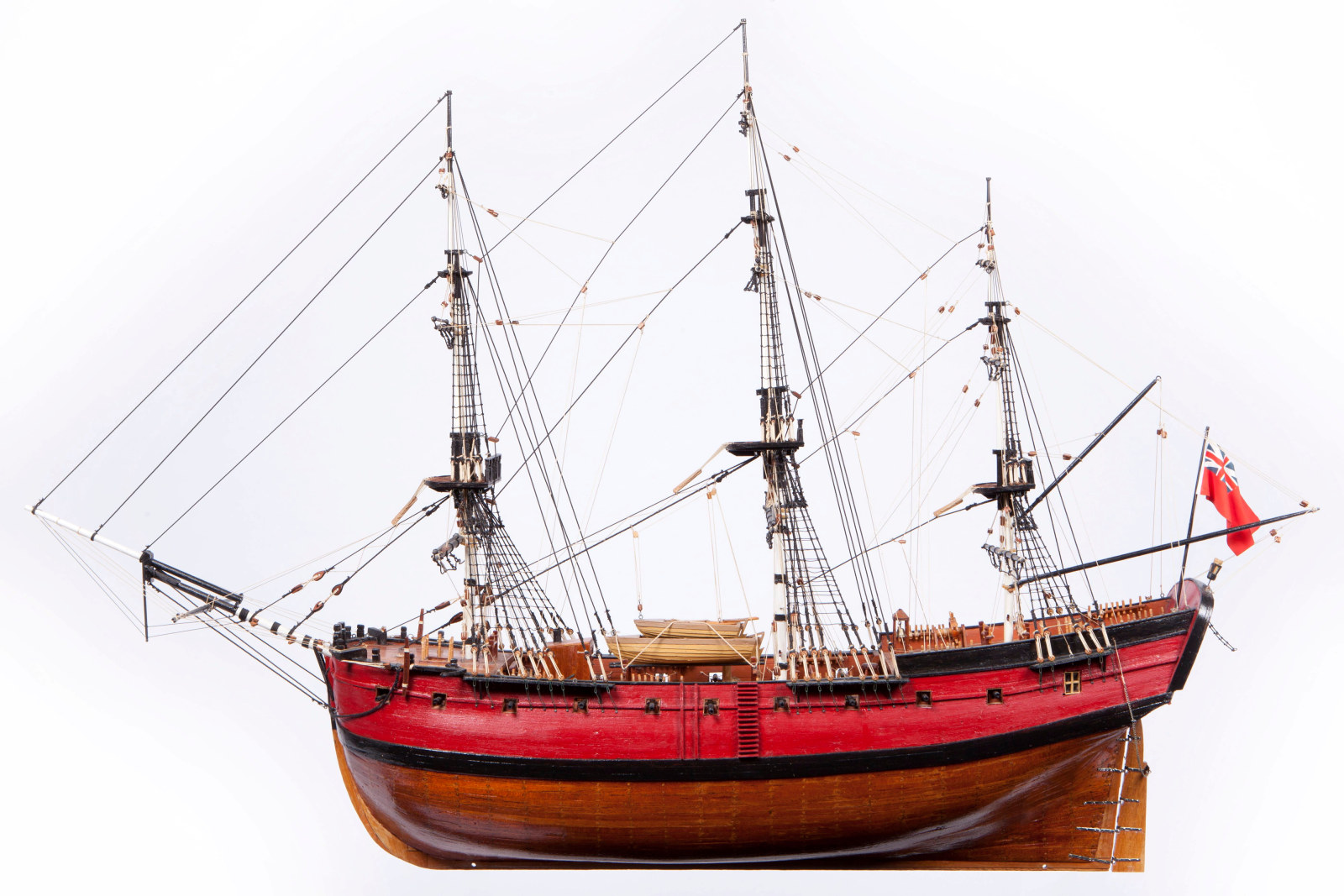
First Fleet ships

At the time of the First Fleet’s voyage there were some 12,000 British commercial and naval ships plying the world’s oceans

Watercolour painting of two ships on the water, with sandstone outcrop in foreground and shoreline in background.

Why were convicts transported to Australia?

Until 1782, English convicts were transported to America; however, that all changed from 1783

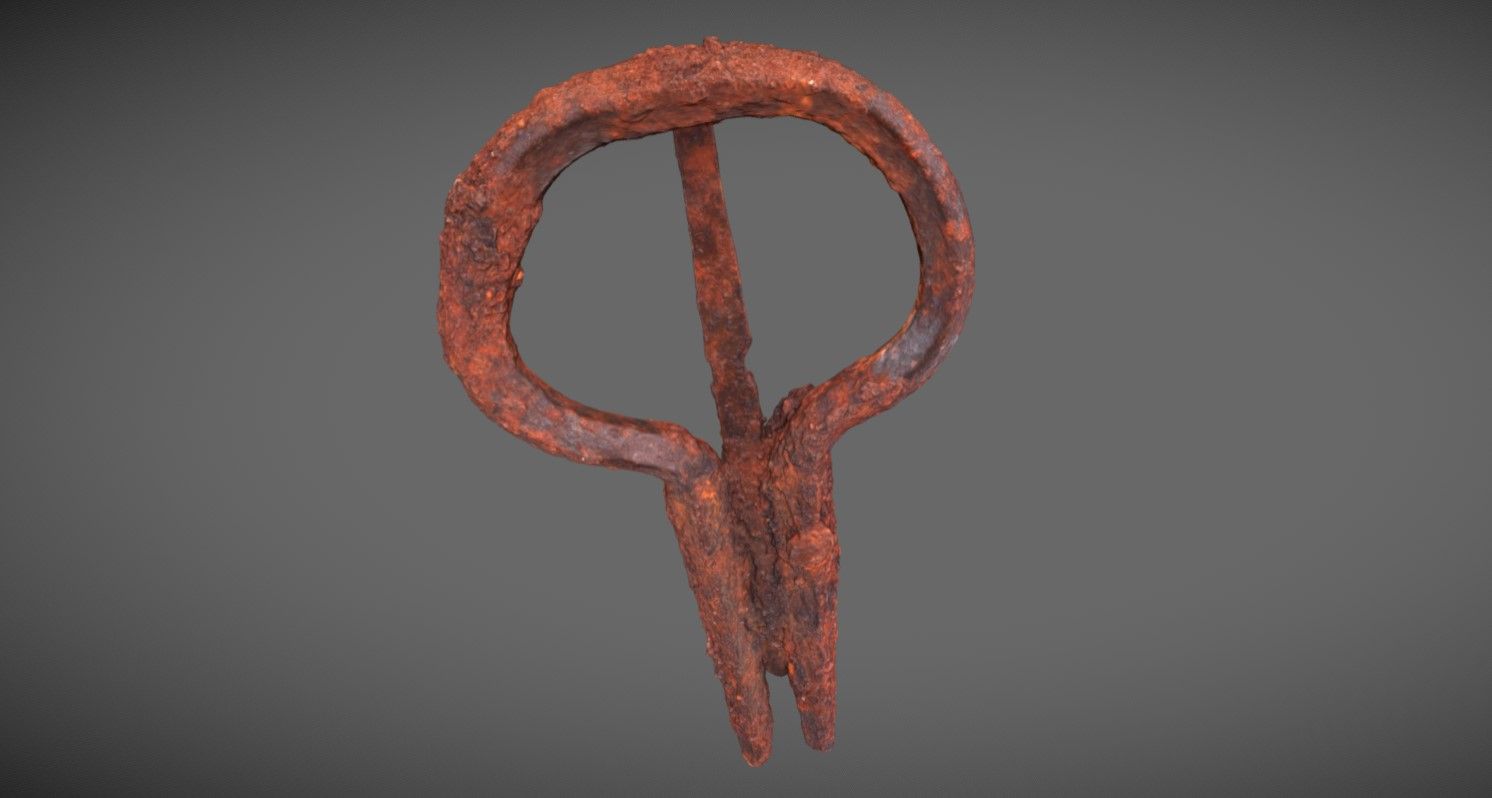
3D model of a metal object
Resource

Convict life

What can this object from the 1800s tell us about convict life at Hyde Park Barracks?

'Convict Sydney' installation view
Convict Sydney

What are convict love tokens?

A convict love token is a coin that convicts gave to their loved ones before they were transported to NSW

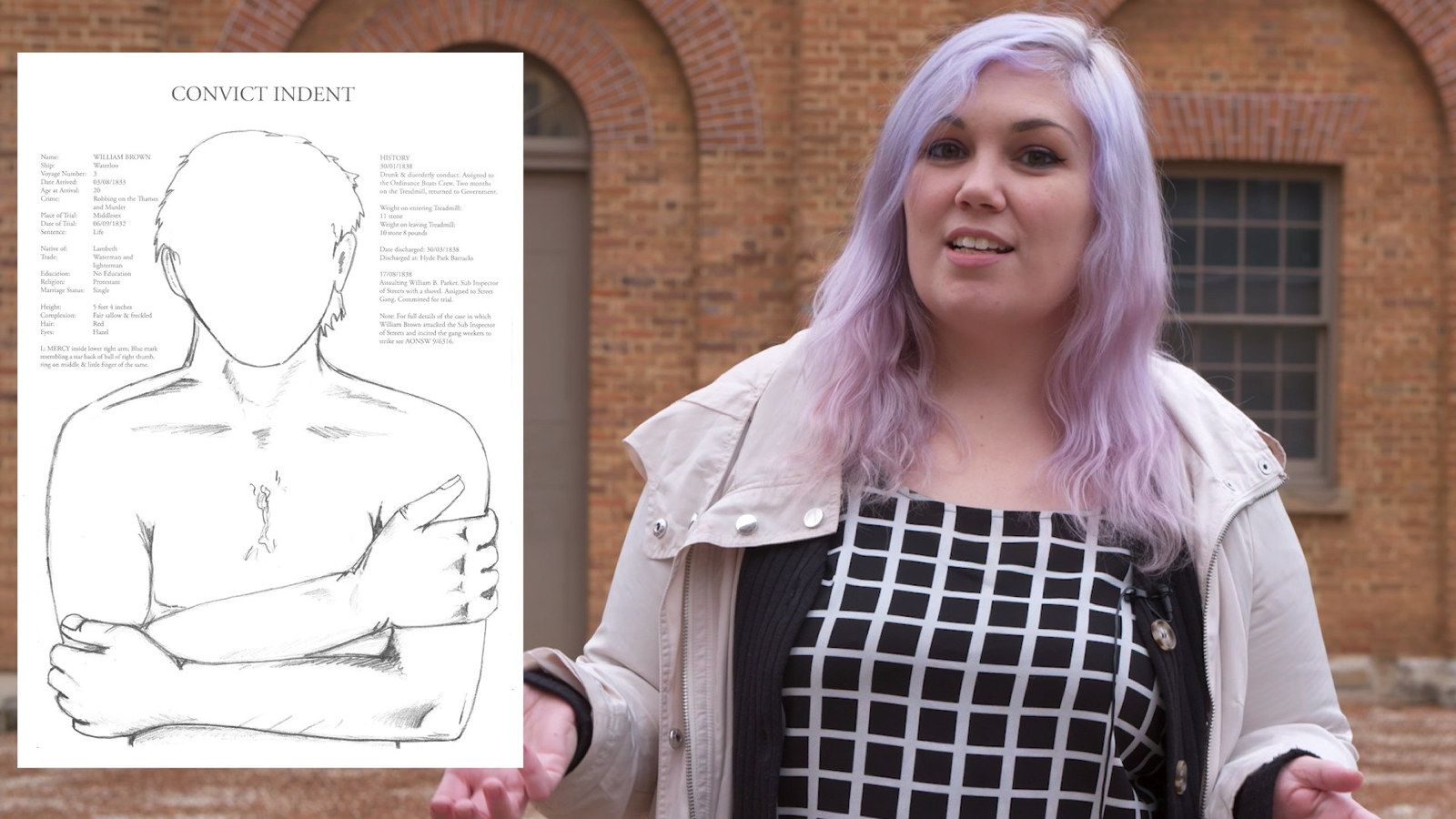
Woman in vdieo with overlay of activity sheet.

Activity: draw a convict from an indent

Watch this short video and learn how to use an original Convict Indent listing to draw a real convict

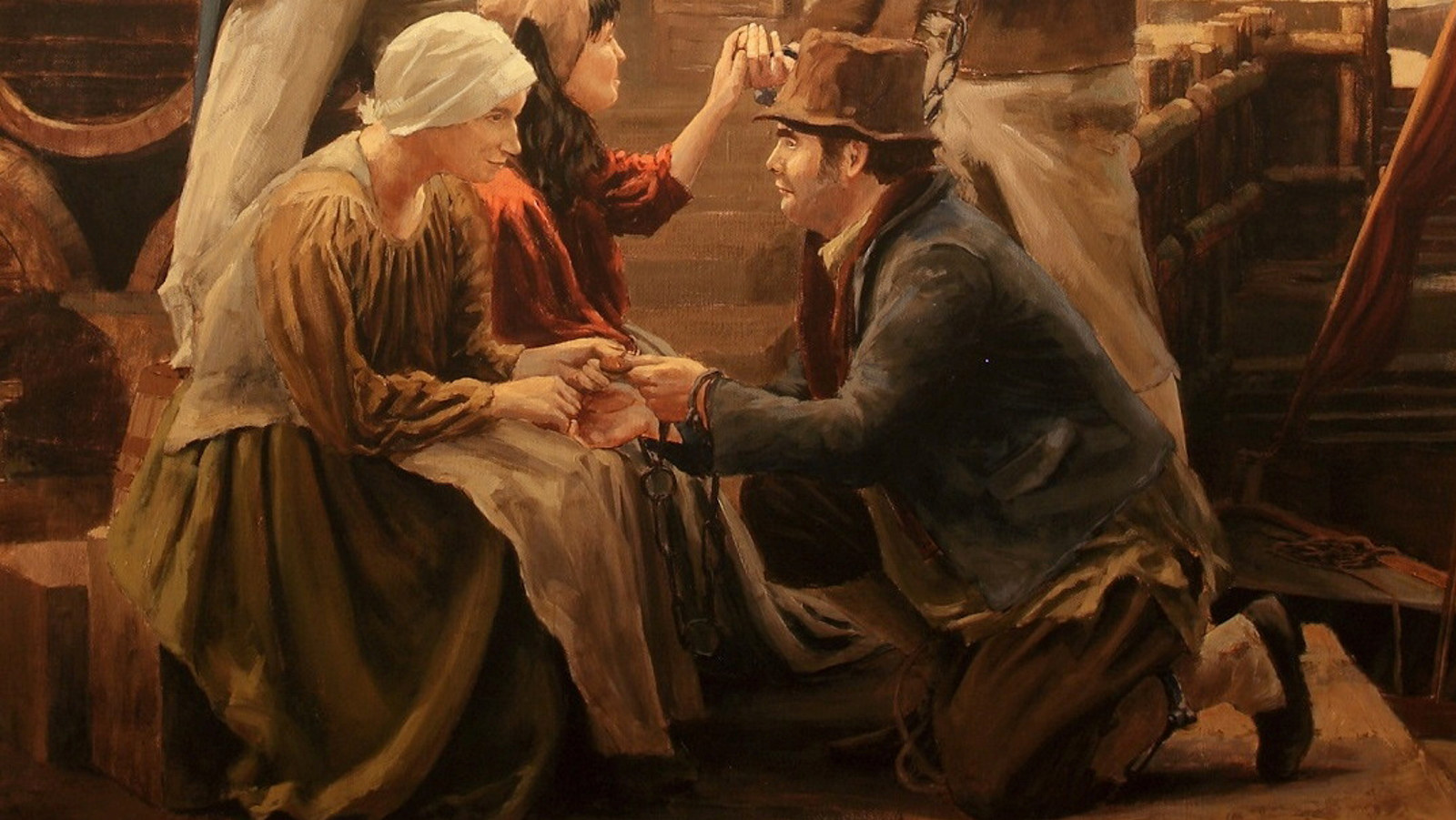
Kneeling man farewelling seated woman.

Activity: make your own convict love token

Learn about convict love tokens and some of the convicts at the Hyde Parks Barracks

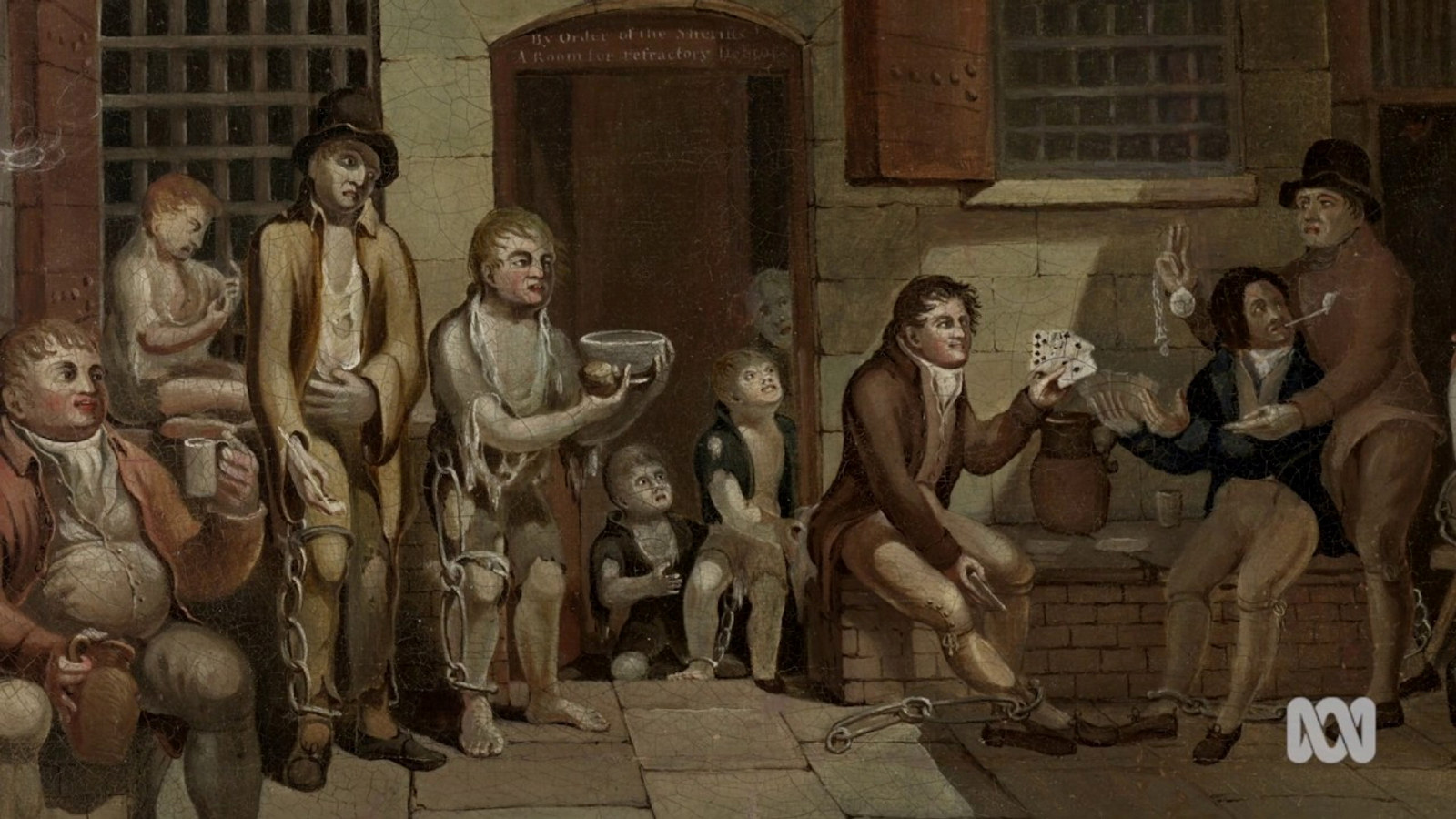
Child convicts of Australia - Chapter 1 Transportation and the First Fleet

Child convicts of Australia

For more than 50 years, convicts were transported from Britain to New South Wales. These included children as young as nine years of age

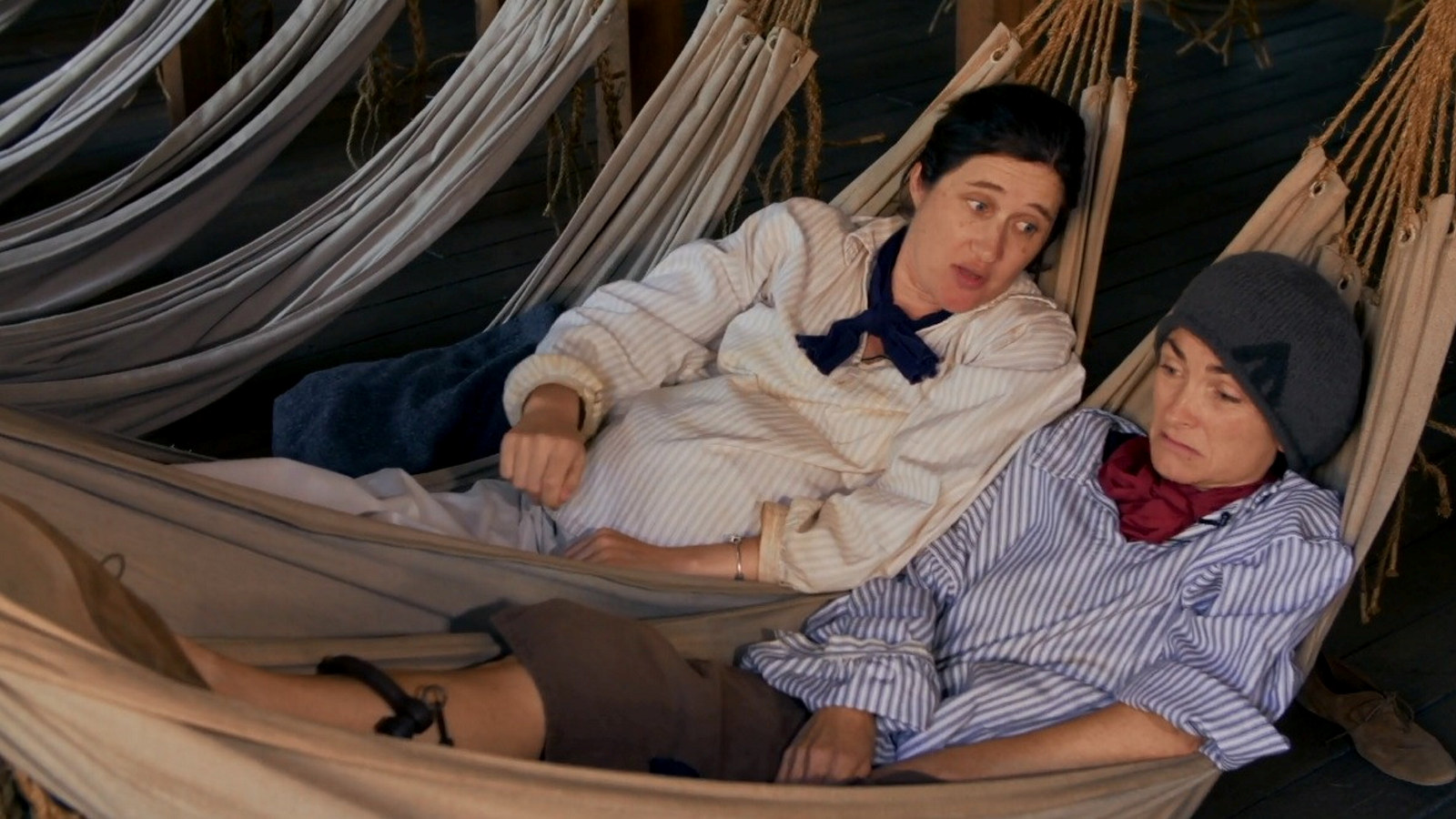
Actors dressed as convicts in hammocks.

Transportation: one convict’s experience

What do we know about the lives of people in Australia’s colonial past?

Taylor panorama (left detail)
Convict Sydney

What was convict assignment?

‘Assignment’ meant that a convict worked for a private landowner

A close up of the letters 'PB' and a broad arrow on a convict shirt. This item was featured in one of our virtual excursions.
Resource

What clothes did male convicts wear?

The convict men who lived at Hyde Park Barracks were provided with a uniform to mark them as ‘government men’

Painting of Hyde Park baracks from south western courner shortly after construction with two men in front. It looks dry and there are no trees.
Resource

Did convicts escape from the Barracks?

From June 1819, unmarried male convicts who were working for the government had to stay at the Hyde Park Barracks

Assorted bones including sheep, goat and pig bones
Resource

What food did the convicts eat?

In 1820, the convicts living at the Hyde Park Barracks would have been woken at sunrise by the ringing of a bell in the yard

Iron jew's harp and convict shirt scrap
Resource

What did convicts do in their free time?

After a day of hard work, the convicts were walked back to the Barracks for the evening muster

blood.png
Resource

What happened to sick or injured convicts?

Convicts were needed to do a lot of work around the colony, so it was important that they were kept healthy

Convict reenactors at the Hyde Park Barracks
Convict Sydney

What was ‘flash’ language?

Convicts transported to NSW brought a lot of different things with them. In some cases this included their own slang language, called ‘flash’

A close up of convict Leg irons
Resource

What happened to convicts who broke the rules?

The convicts who lived at the Barracks had to obey lots of rules – more than 200!

LON10_MEM_001-crop.jpg
Resource

How were convicts rewarded for good behaviour?

While some convicts broke the rules and were punished, most of them worked hard and tried to stay out of trouble

Model showing convicts in the courtyard of the barracks
Resource

What work did convicts do?

There was a huge amount of work to do around the town of Sydney, and most of it was done by convicts who did lots of different jobs

Print from book.
Convict Sydney

Tattoos

Around one in every four male convicts had tattoos on his body

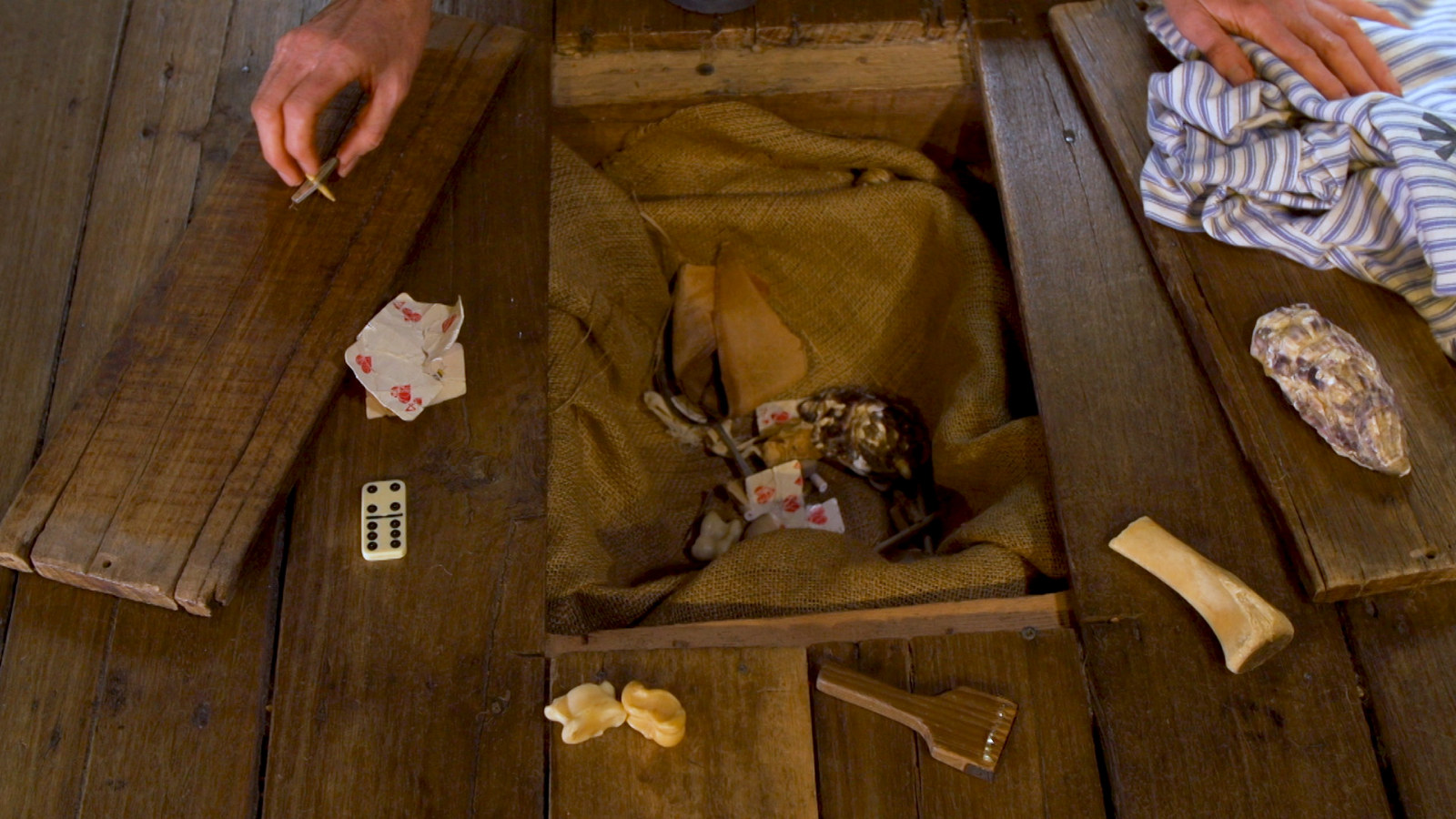
Detail shot of the historical objects used during a virtual excursion.
Resource

Object analysis

Investigate what objects can tell us about the past by exploring these 3D scans of collection objects from MHSNW

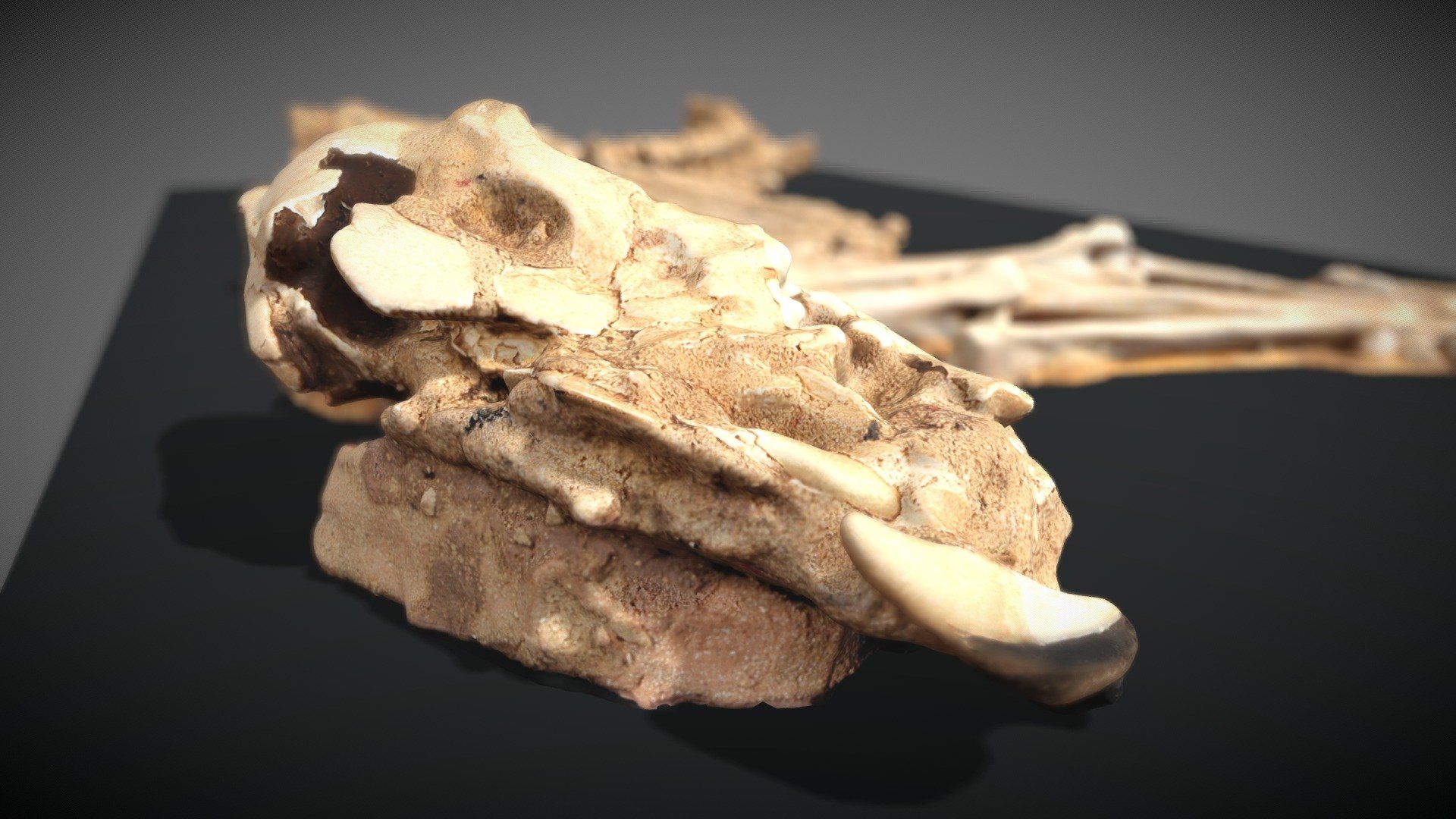
Close up view of an animal skeleton
Resource

Digging up the past

Use this animal skeleton, found at the site of First Government House, to develop students’ archaeological investigation skills and knowledge of animal biology

Resource

What does archaeology tell us?

Who were the secret archaeologists living at the Hyde Park Barracks?

Stage 3

Resource

Aboriginal Languages revitalisation in NSW

How were Aboriginal languages recorded during the early colonial period? What were the consequences? And how are Aboriginal Knowledge Holders revitalising language today?

Sarah Bunn and Peter White with Governor Darling's Commission
Resource

Terra nullius, Perspectives, Reconciliation

What was terra nullius? How can you examine Australian history from Aboriginal perspectives? How does understanding past decisions, help Reconciliation?
Between the mountains and the sea, Lorraine Brown and Narelle Thomas, 2008. Photo © Bernie Fisher, 2022. Artworks © the artists
Resource

Understanding the Art of Place

Discover how we can understand and connect to place through art, and consider how a place can mean different things to different people

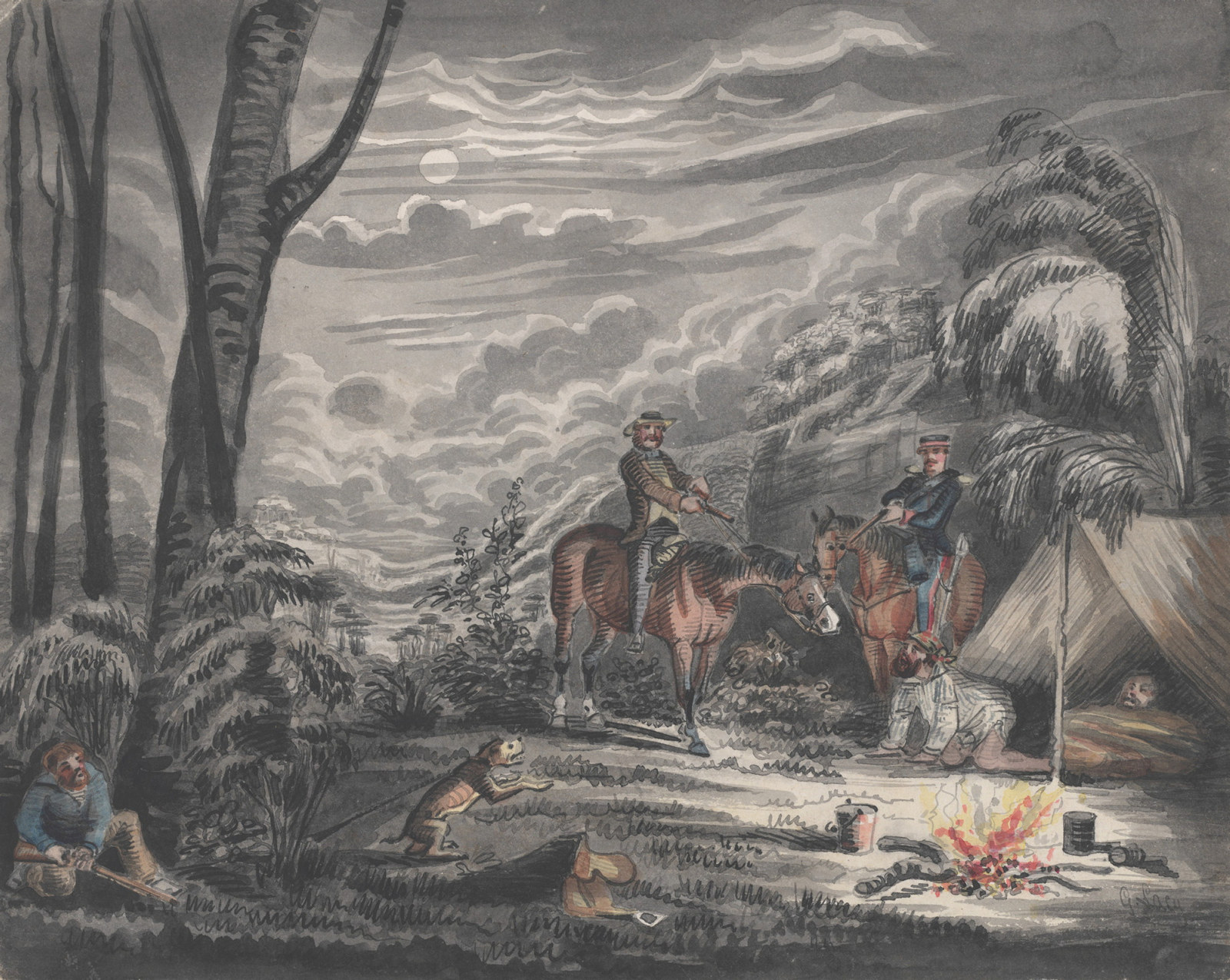
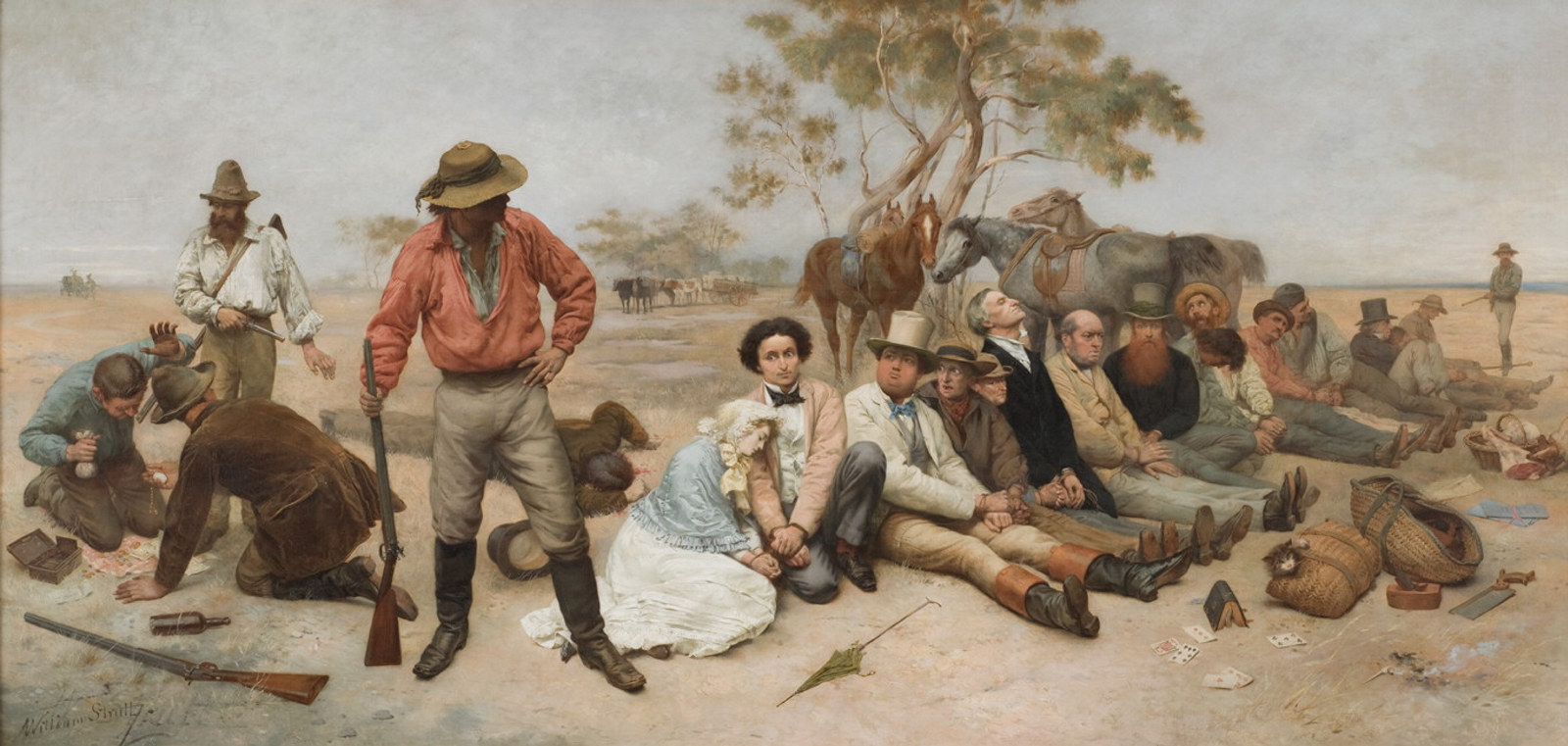
BUSHRANGERS_COL_JP1910_0058b_edit.jpg

Were bushrangers villains or heroes?

During the colonial period bushrangers committed serious crimes. However, to some people they might have seemed impressive

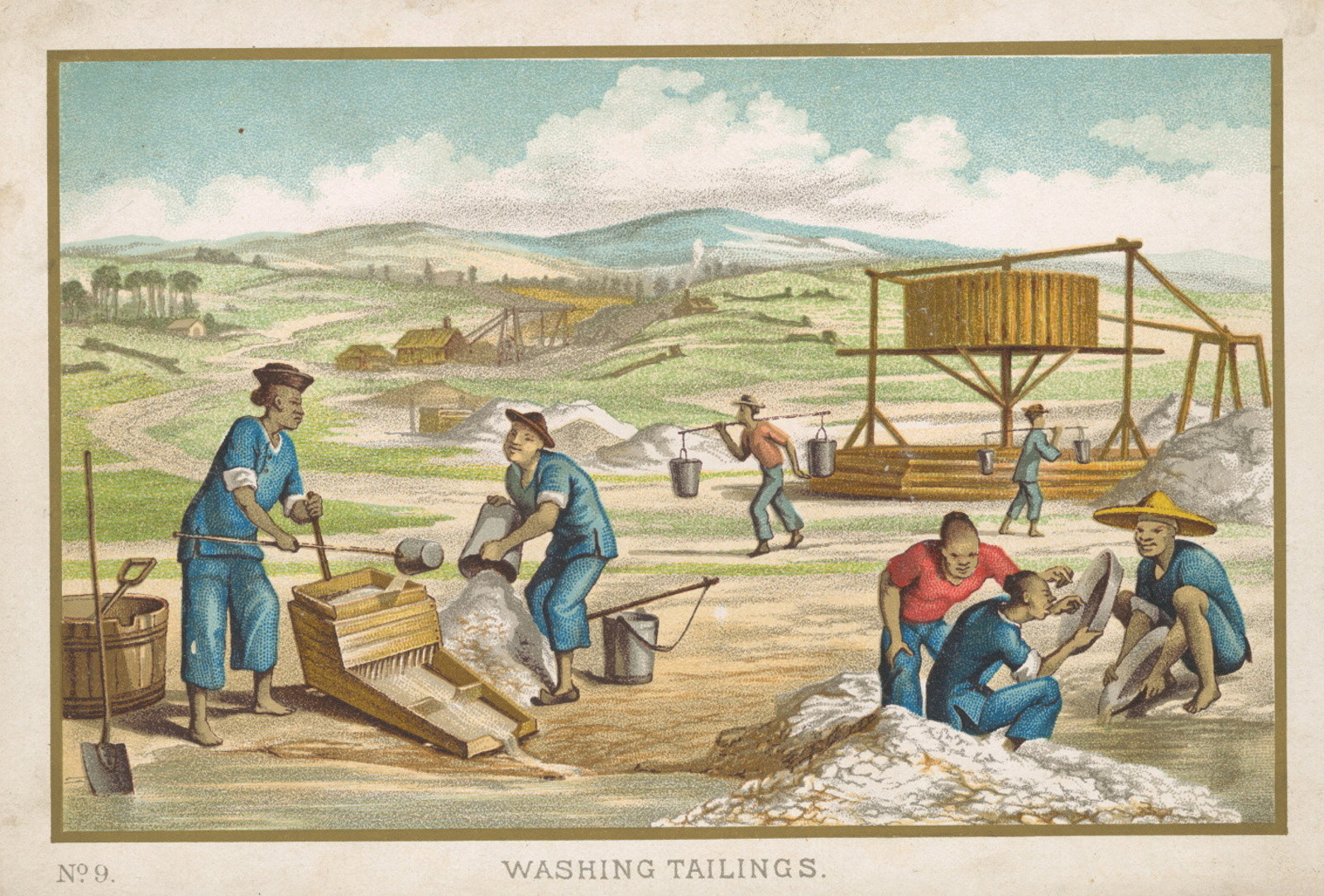
Illustration of goldfields with figures dressed in Chinese-style clothing working.

Chinese on the goldfields

By the early 1850s, news of a gold rush in Australia sparked an influx of Chinese migration to Australia.

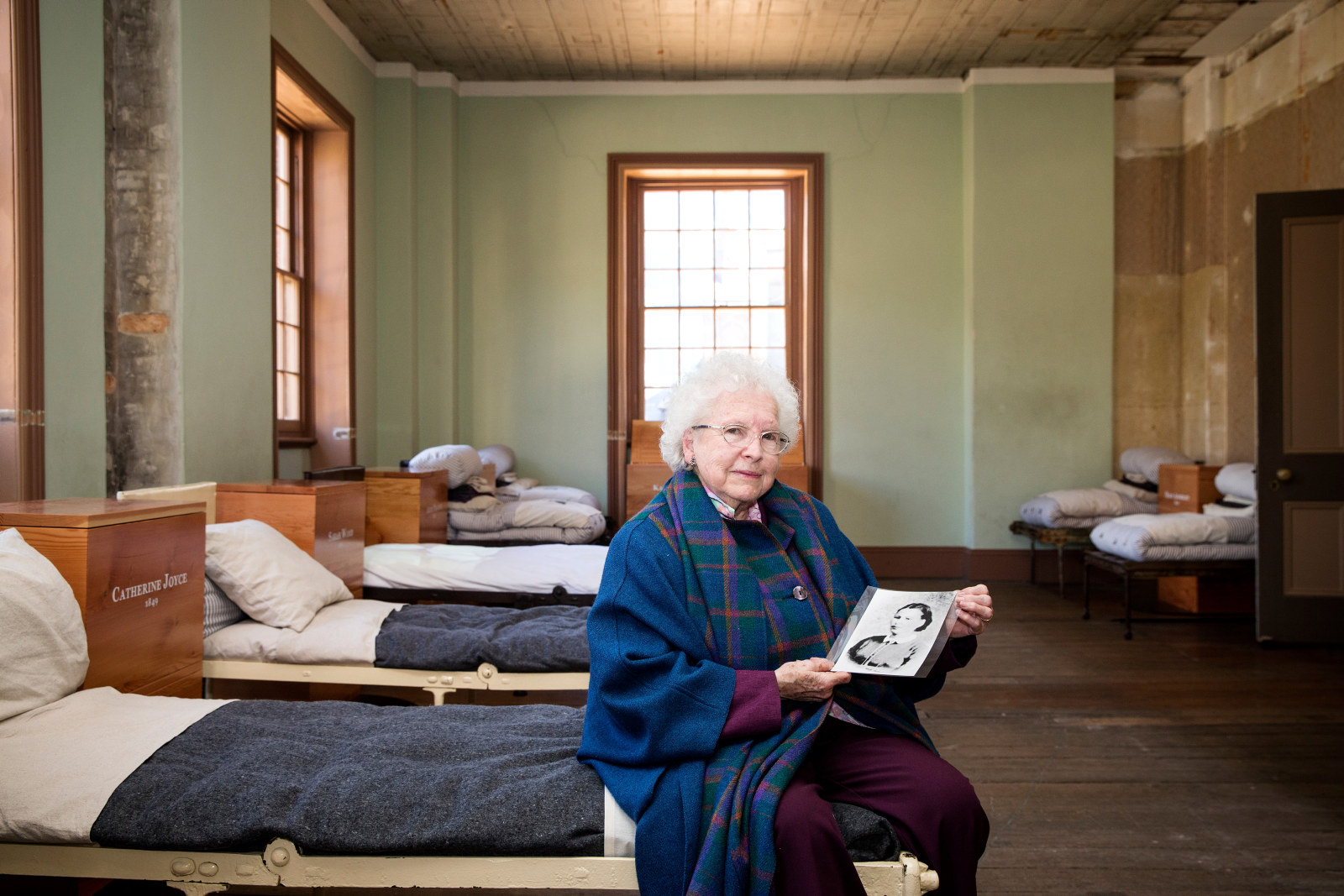
Barbara Zammit holding a photo of her ancestor immigrant Rose McGee
Convict Sydney

Female migration

For many women in the UK migration was seen as an opportunity to change their fortunes - to escape poverty, find work and start a family

Illustration of historic building.
Resource

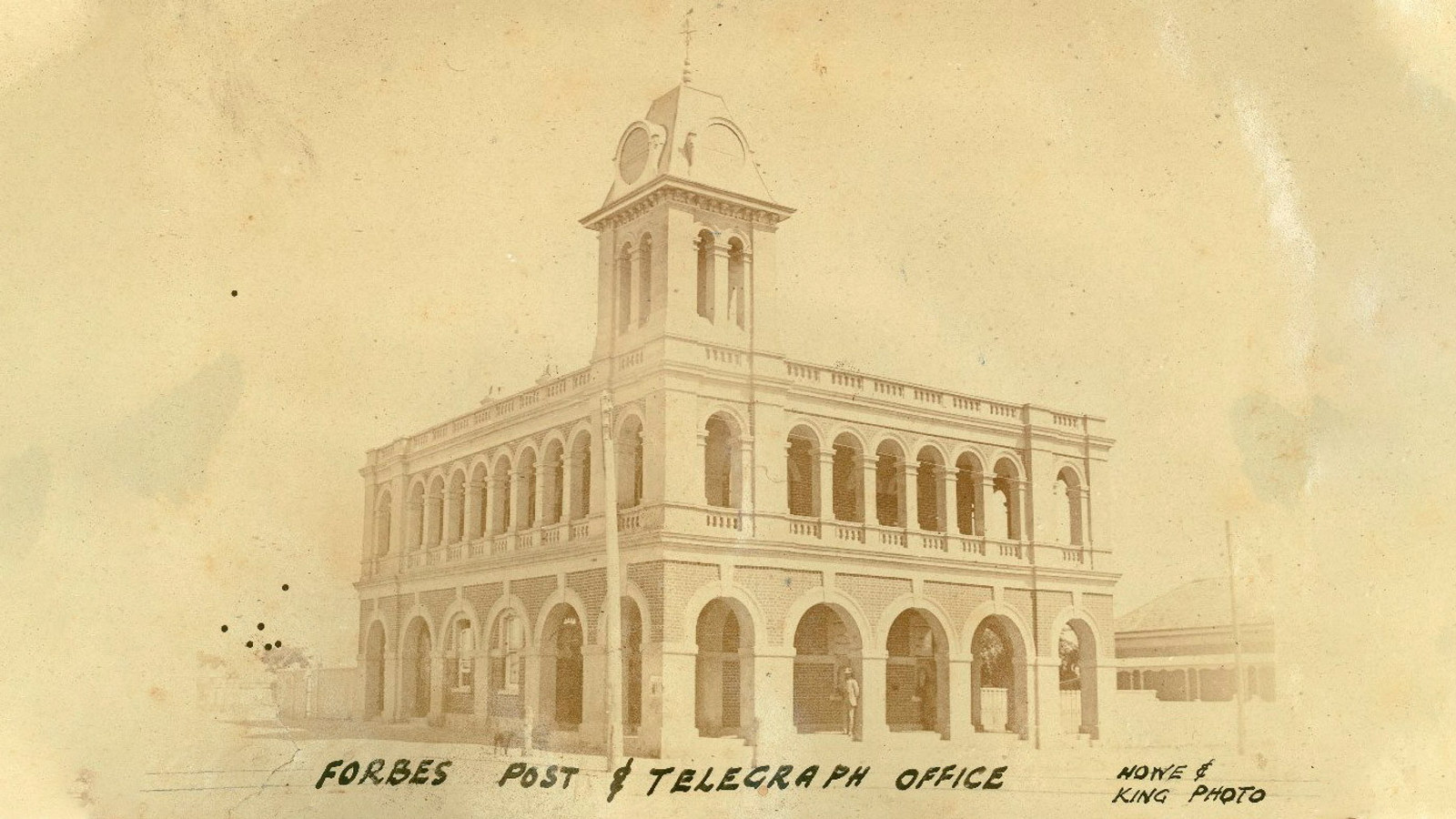
Electric telegraph in NSW

The electric telegraph revolutionised communication throughout the colony. It also made it easier for police to track down bushrangers

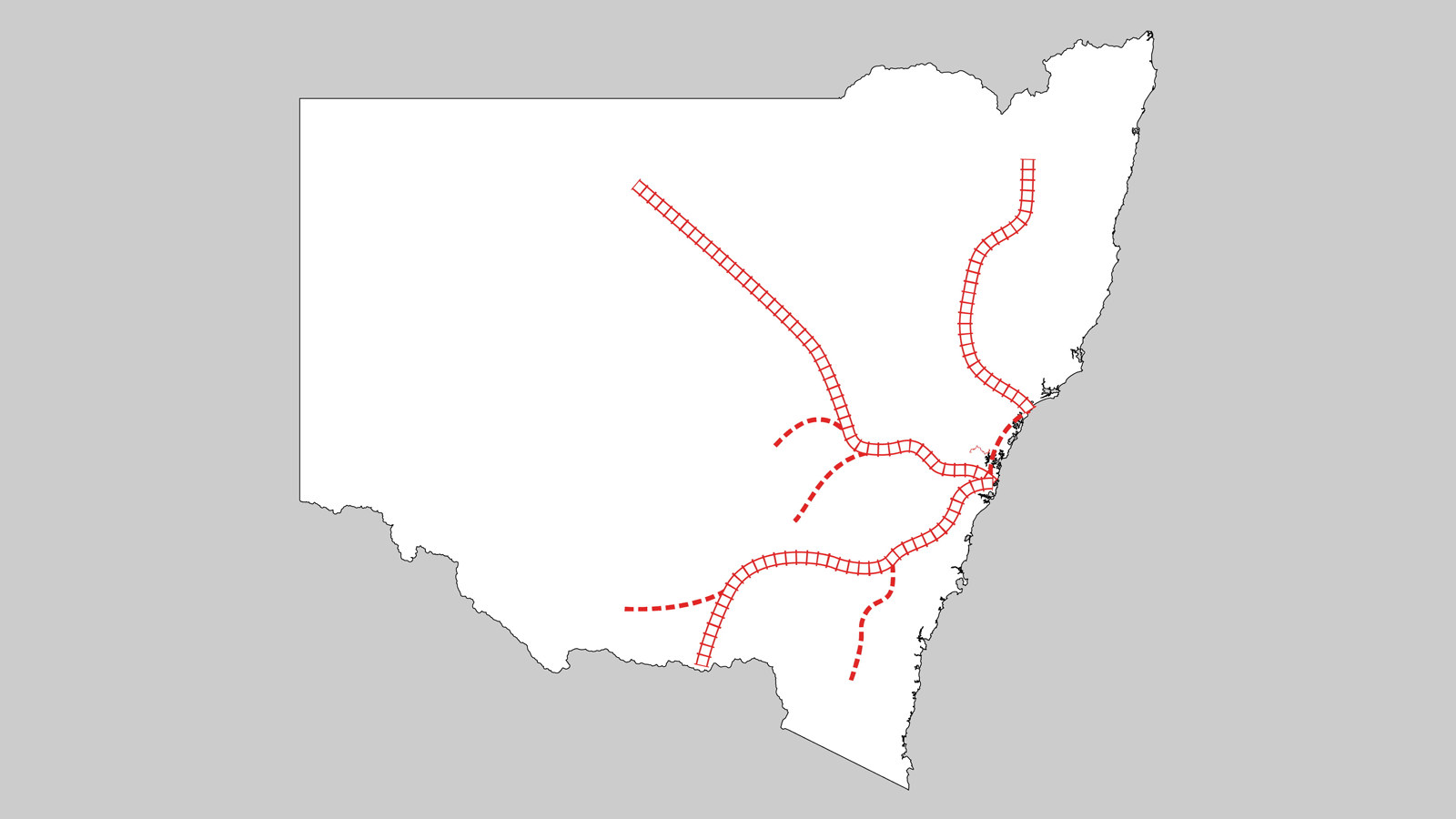
Building the railways in NSW

How significant was the arrival of the railway in NSW?

Detail shot of the historical objects used during a virtual excursion.
Resource

Object analysis

Investigate what objects can tell us about the past by exploring these 3D scans of collection objects from MHSNW

Illustration of gold fields.
Resource

Gold rush & bushrangers!

What was life like during the NSW gold rush?

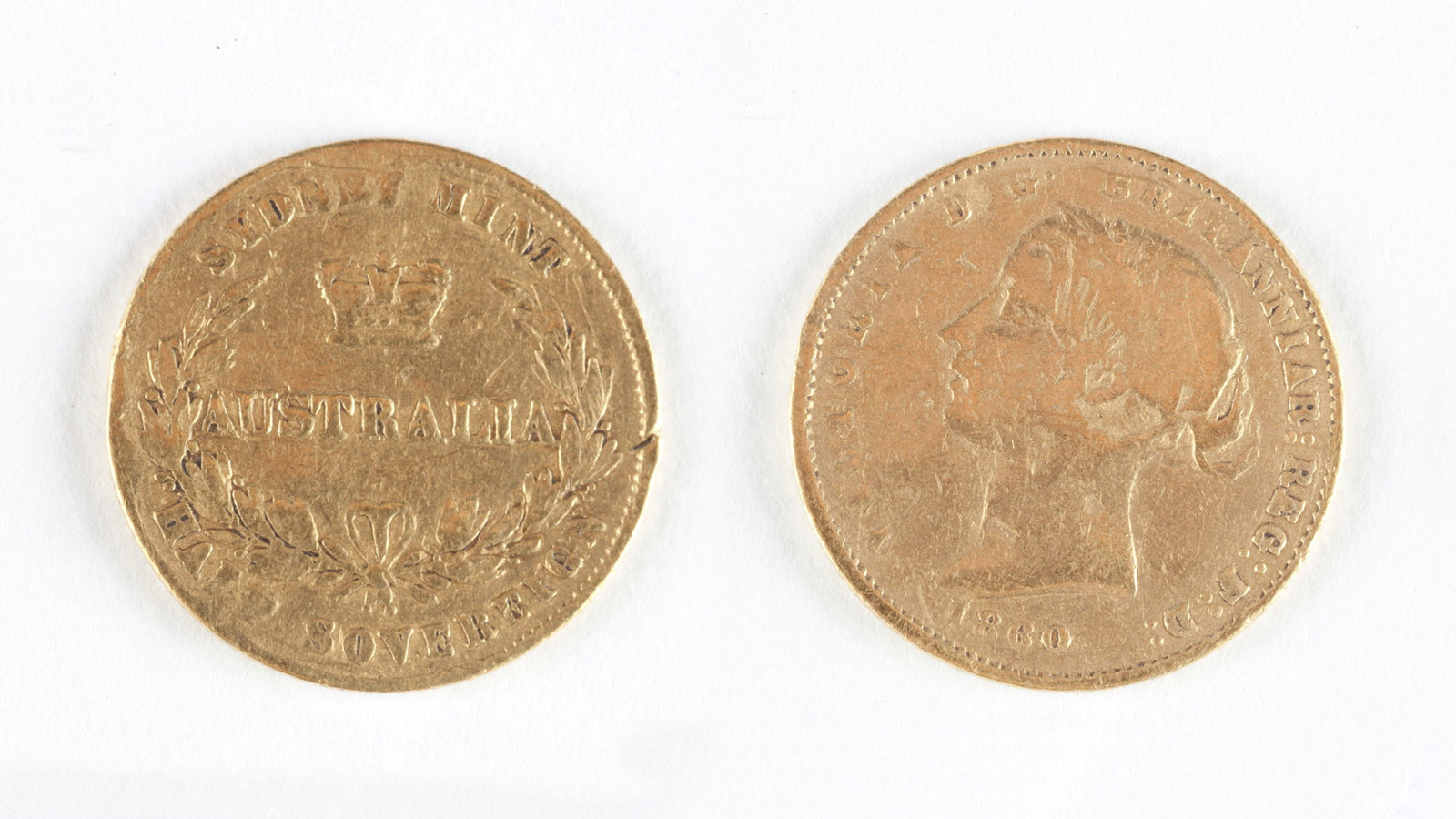
Front and back of gold coin, showing details of inscription. Embossed text obverse side of coin; ‘VICTORIA D:G: BRITANNIAR: REGINA F:D: 1860’. Embossed text reverse of coin; 'SYDNEY MINT / AUSTRALIA / HALF SOVEREIGN'.
Resource

The NSW gold rush

What happened if a goldminer found gold?

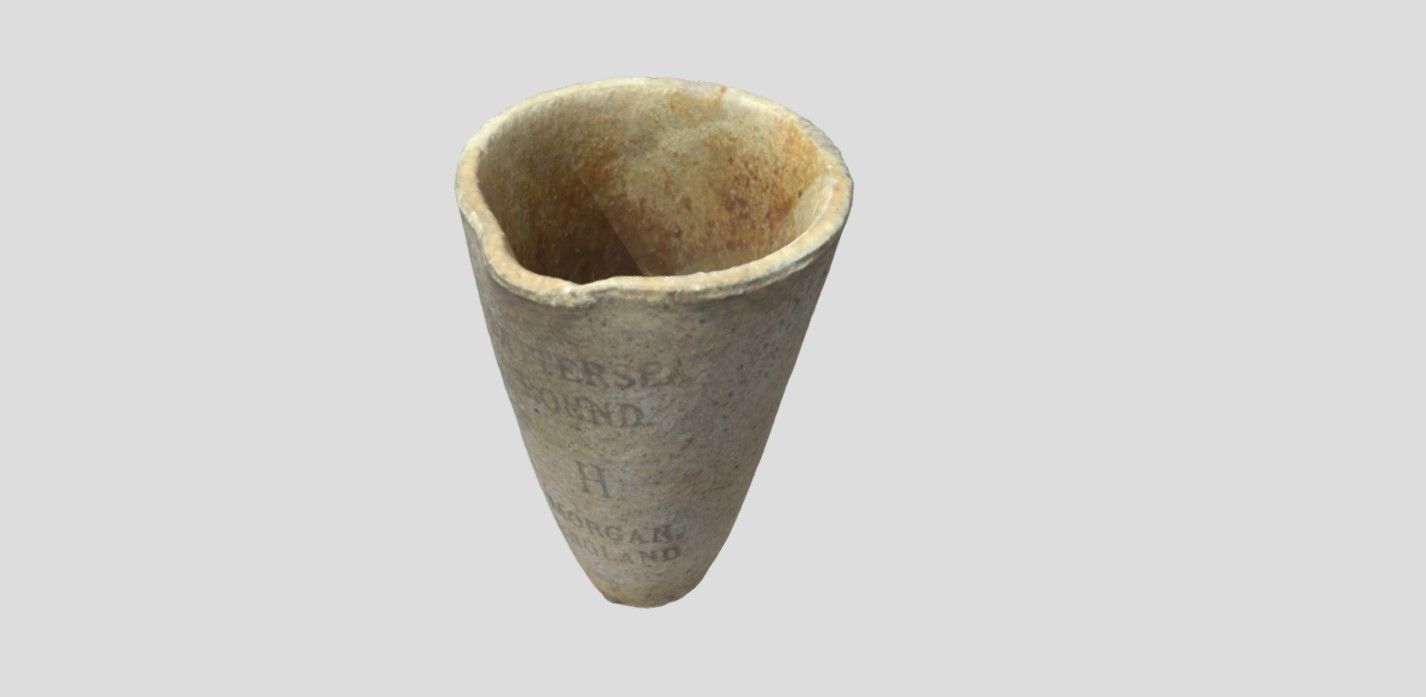
3D model of a stone object
Resource

The Gold Rush

How does this object relate to the Gold Rush and, if you struck lucky, what could a gold sovereign buy you in the 1850s?

LON12_POC_021_1.jpg

The gold escort

A miner could transport his or her gold to Sydney using the 'gold escort'

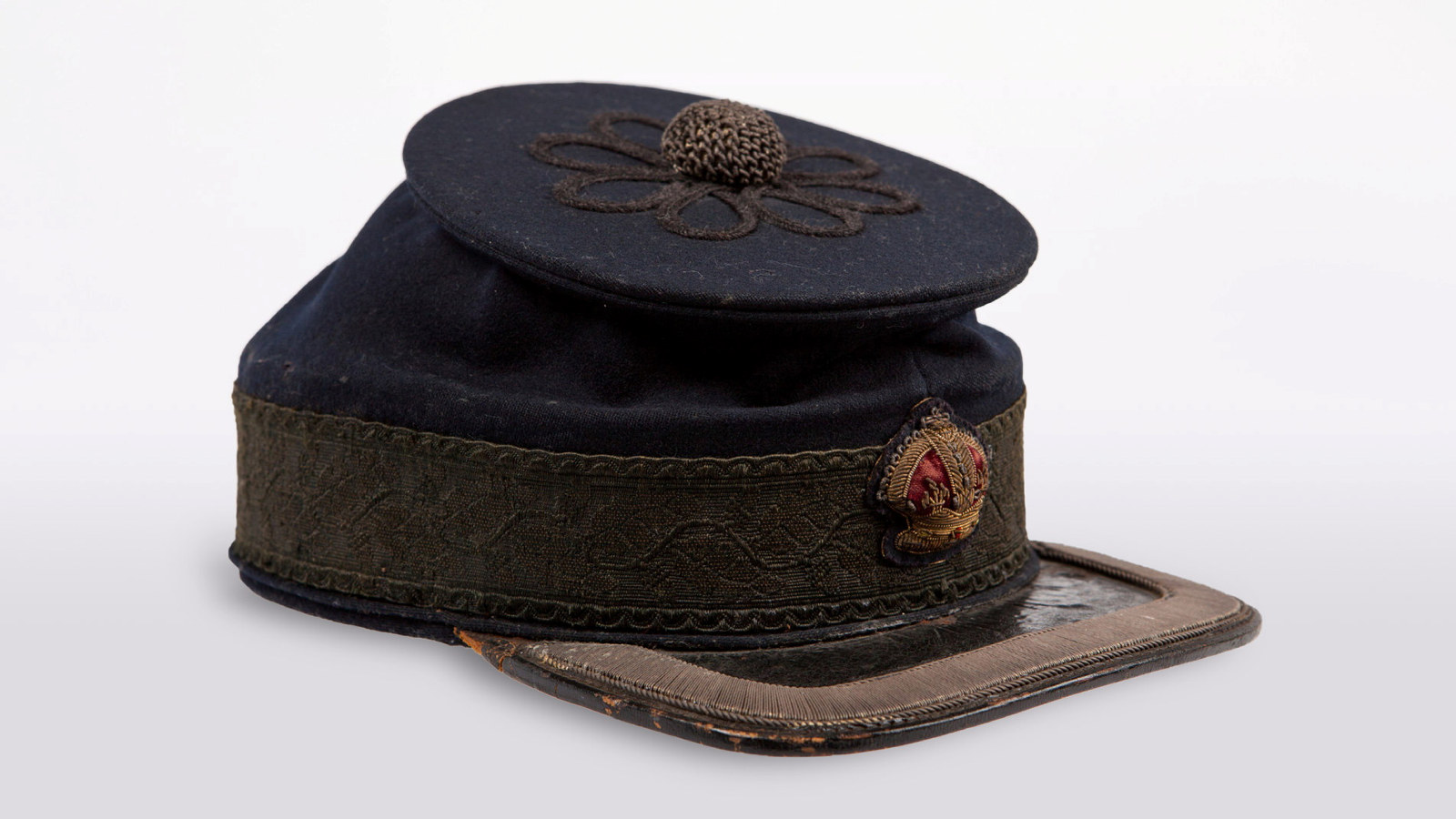
Blue police cap.

Troopers & Aboriginal trackers

What was it like to be in the mounted police?

LON13_BFB_0019_web.jpg
Resource

Troopers, Trackers, Bushrangers and their weapons

The three phases of the war against bushrangers

Performers from the Deep Sea Astronaut troupe at Family Fair

Student quiz

Think you know it all? Try the quiz and see how you do! Give it your best shot and good luck!

Secondary resources

A range of online resources designed to support student learning in the classroom or at home.

Stage 4

Education program at Hyde Park Barracks.
Resource

Hyde Park Barracks site study

The Hyde Park Barracks is an important historical site. It has been recognised by UNESCO as a World Heritage Site because of its significance to the convict History of Australia

Sarah Bunn and Peter White with Governor Darling's Commission
Resource

Terra nullius, Perspectives, Reconciliation

What was terra nullius? How can you examine Australian history from Aboriginal perspectives? How does understanding past decisions, help Reconciliation?
Resource

What does archaeology tell us?

Who were the secret archaeologists living at the Hyde Park Barracks?

Stage 5
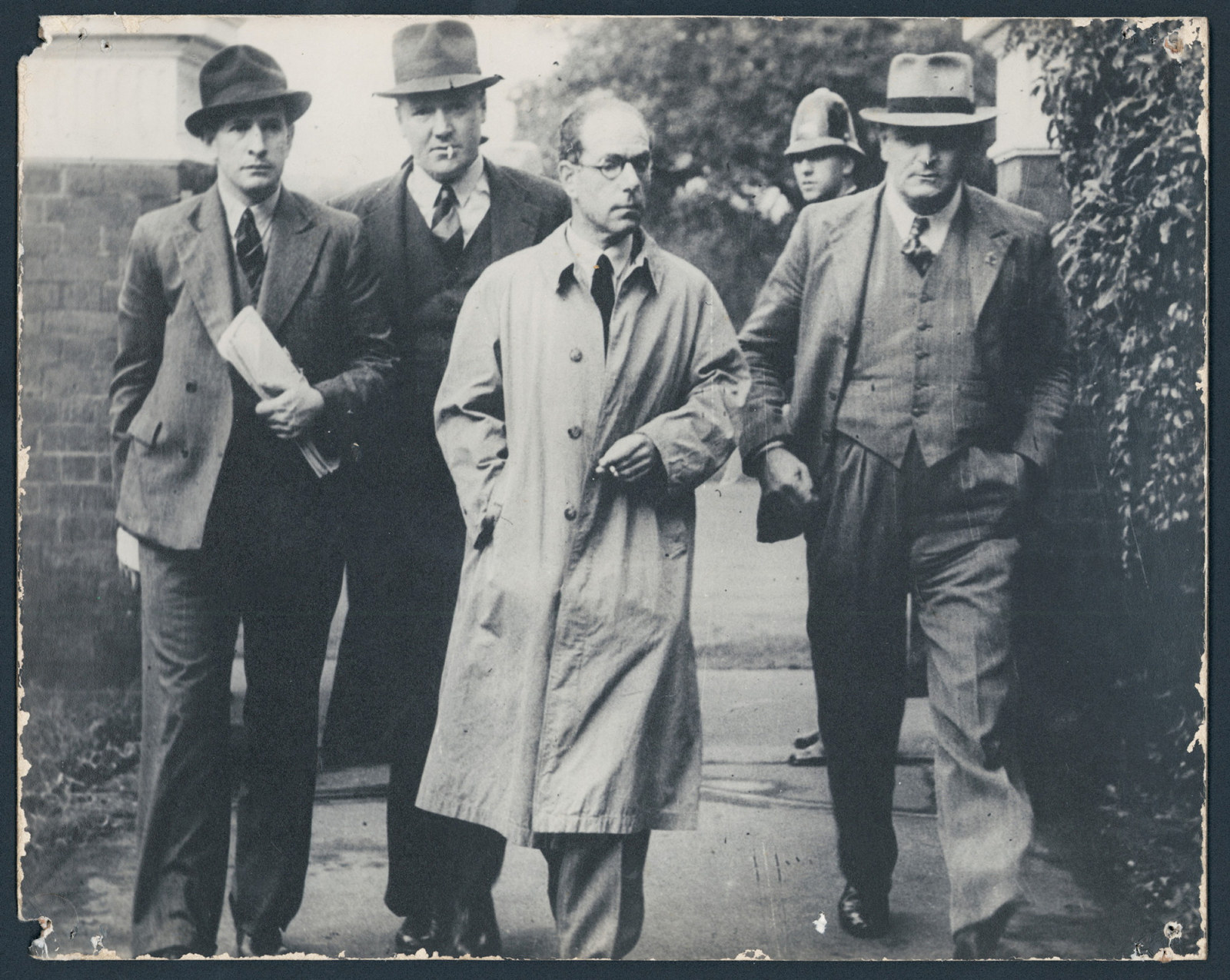
Photograph of Antonio Agostini with police in 1944

The law of provocation in Australia

How did past social values affect legal outcomes in Australia?

Depth study (core) – Australia: making a nation – from Federation to WWI

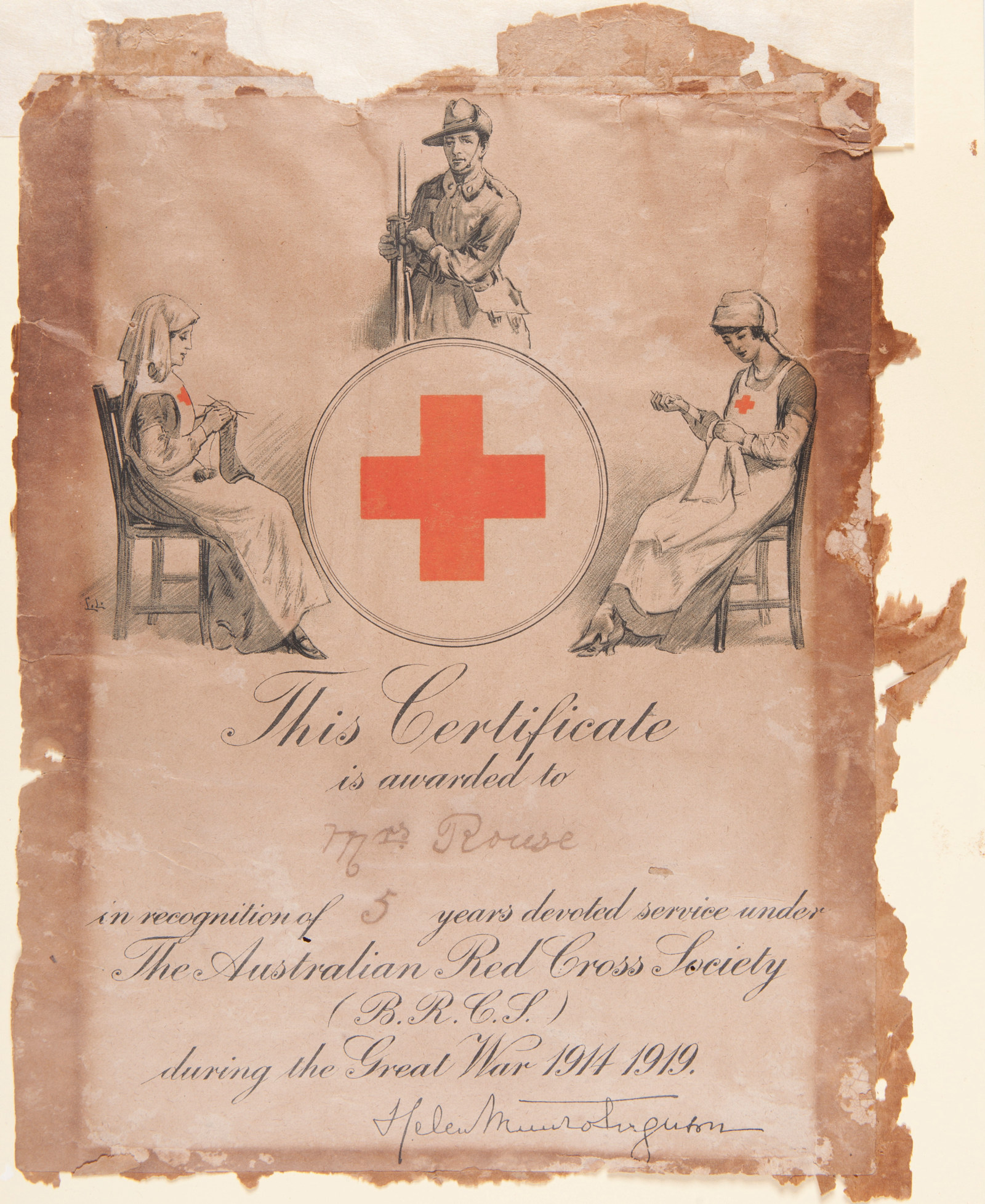
Frayed at edges, certificate with red cross symbol in ornate diagram at top, and cursive script below.
WW1

Home Front

As the war stretched on, thousands of women at home in Australia supported the war effort by volunteering for patriotic fundraising activities
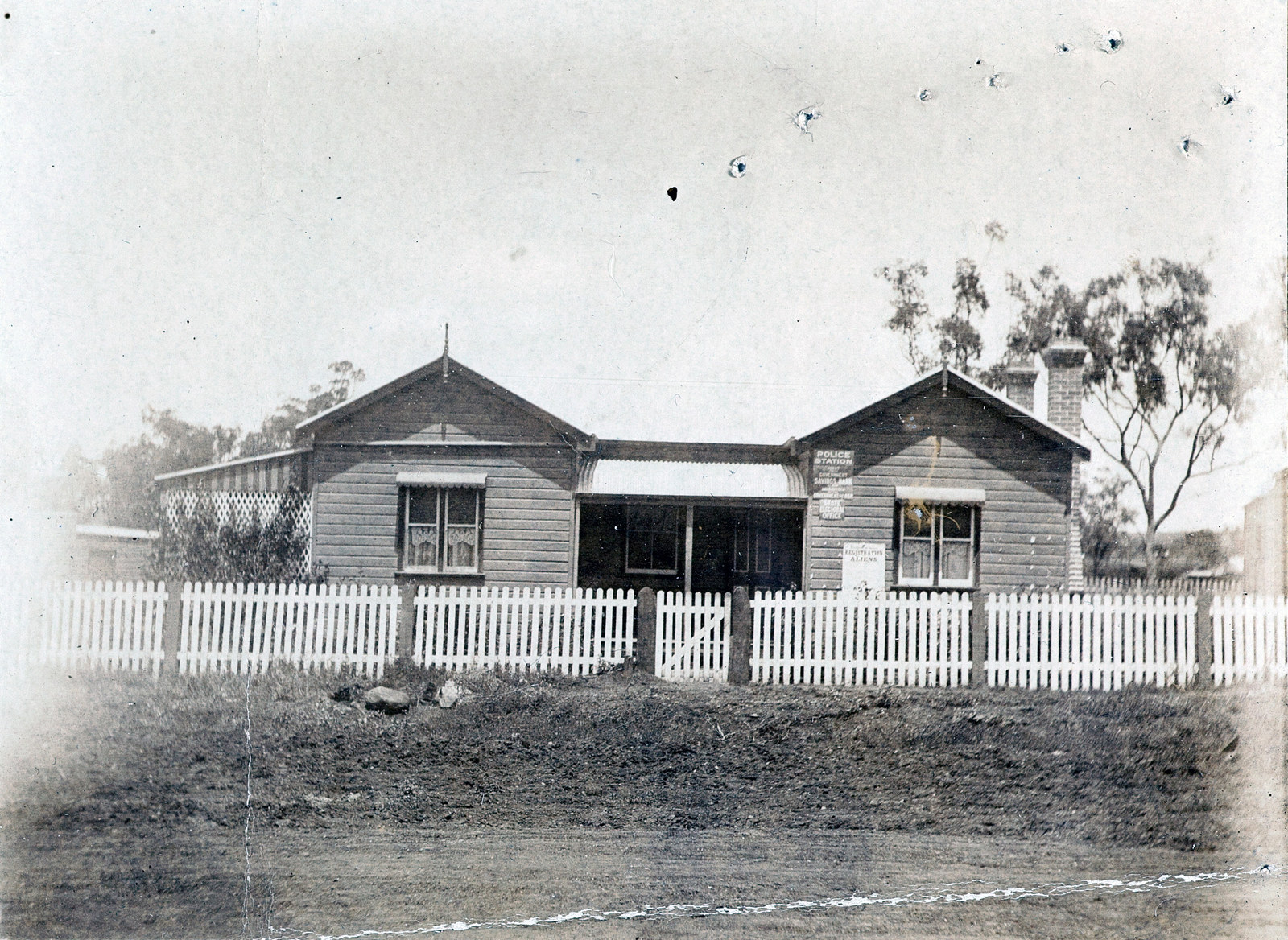
Building behind picket fence with gate shut.
WW1

Registering aliens

On 10 August 1914, less than a week after Australia entered World War I, the Australian government defined a new type of resident: the enemy alien
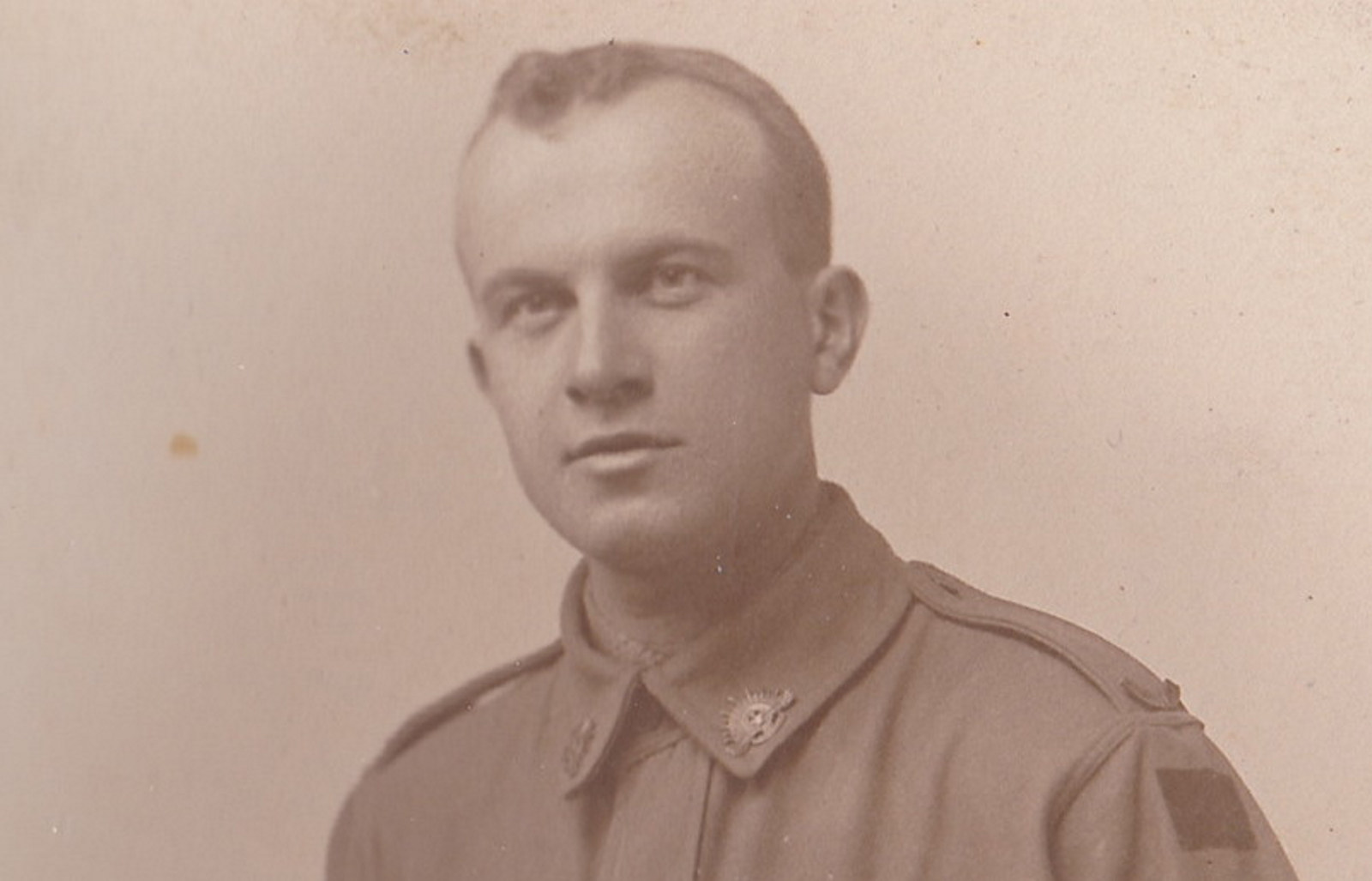
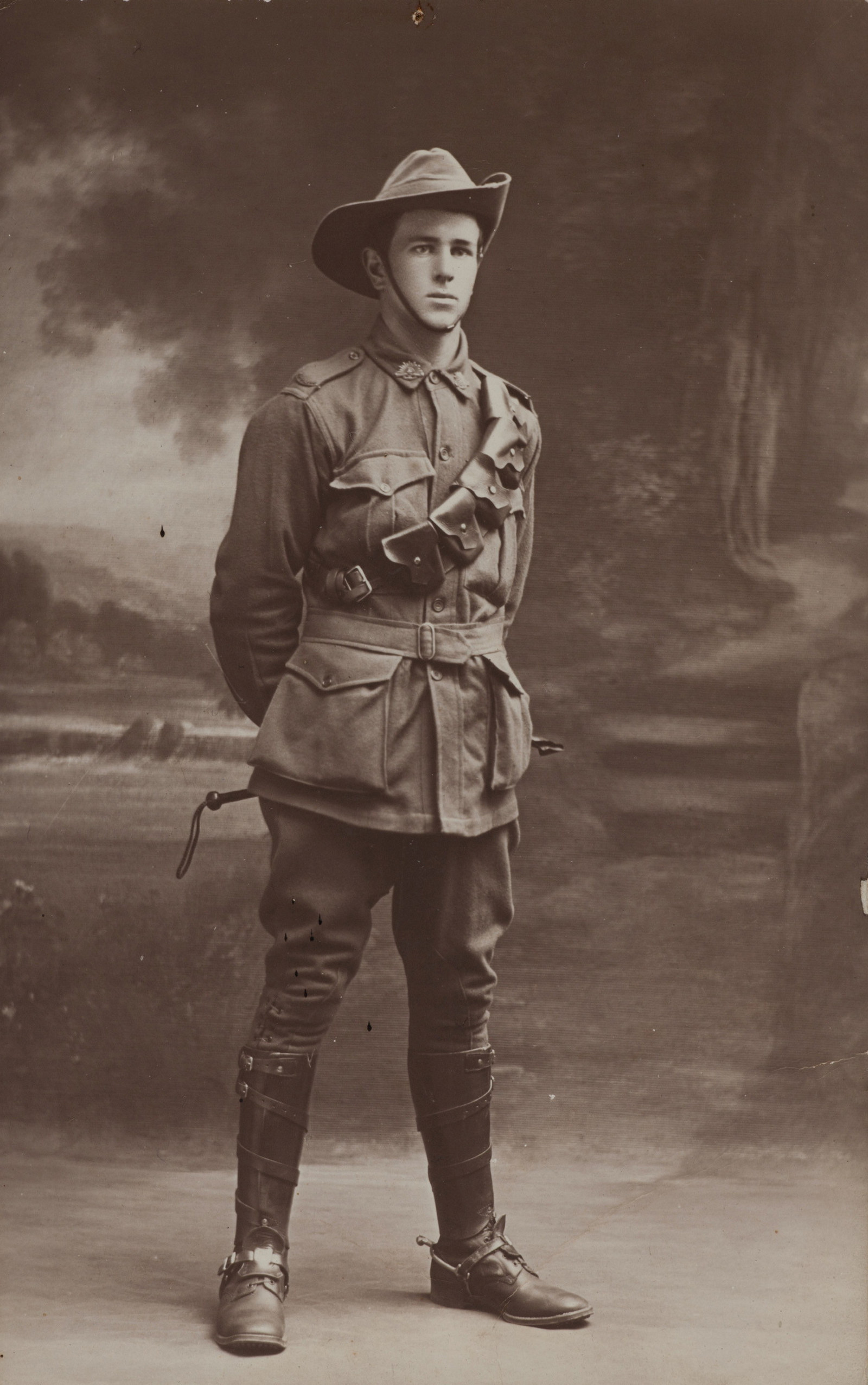
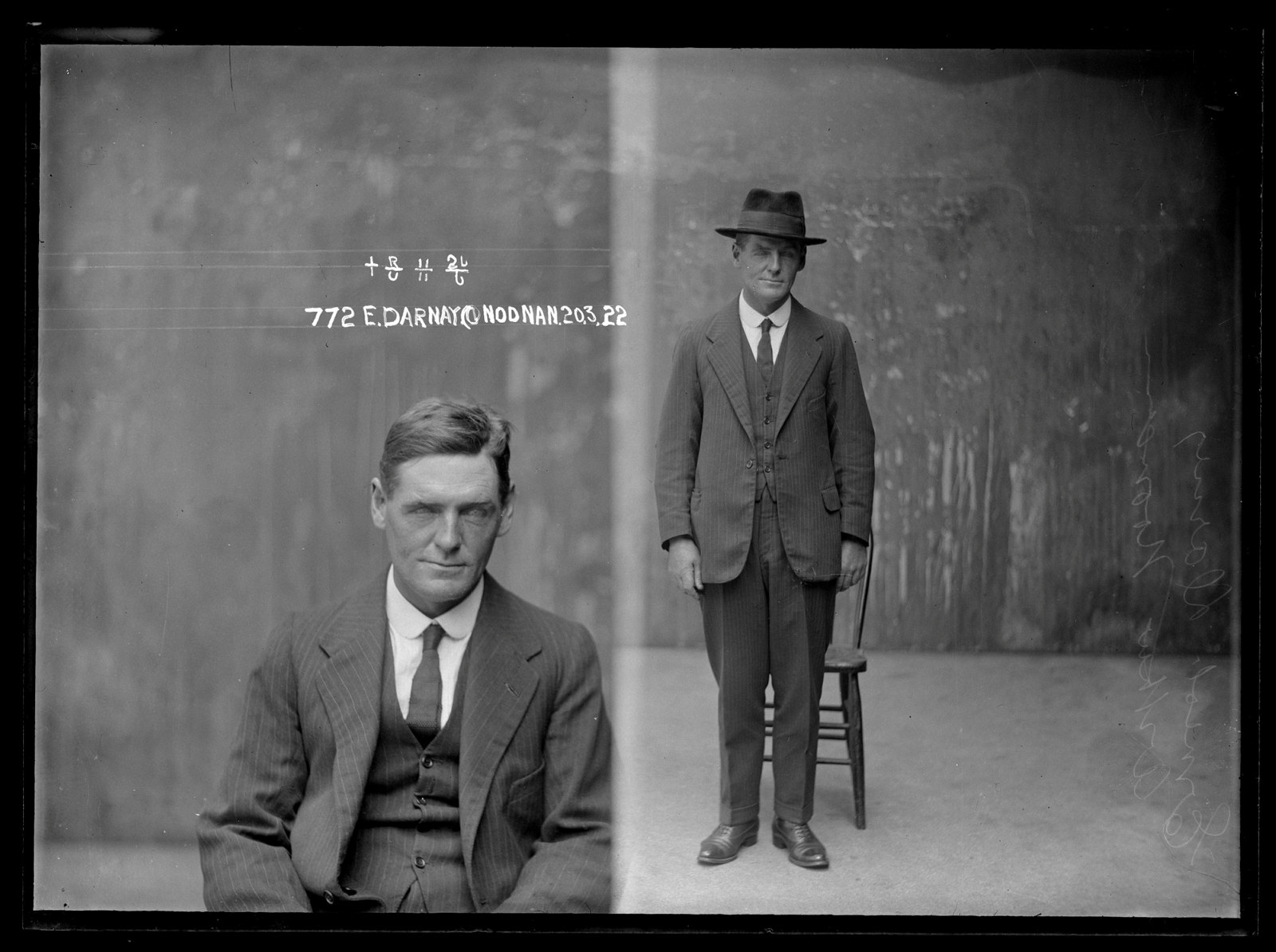
Two photos side by side; man seated and man standing, with hat on.
WW1

Fallen hero of Flanders

In 1922, petty criminal Arthur Ernest Noonan was arrested by Sydney police to face charges of conspiracy to defraud
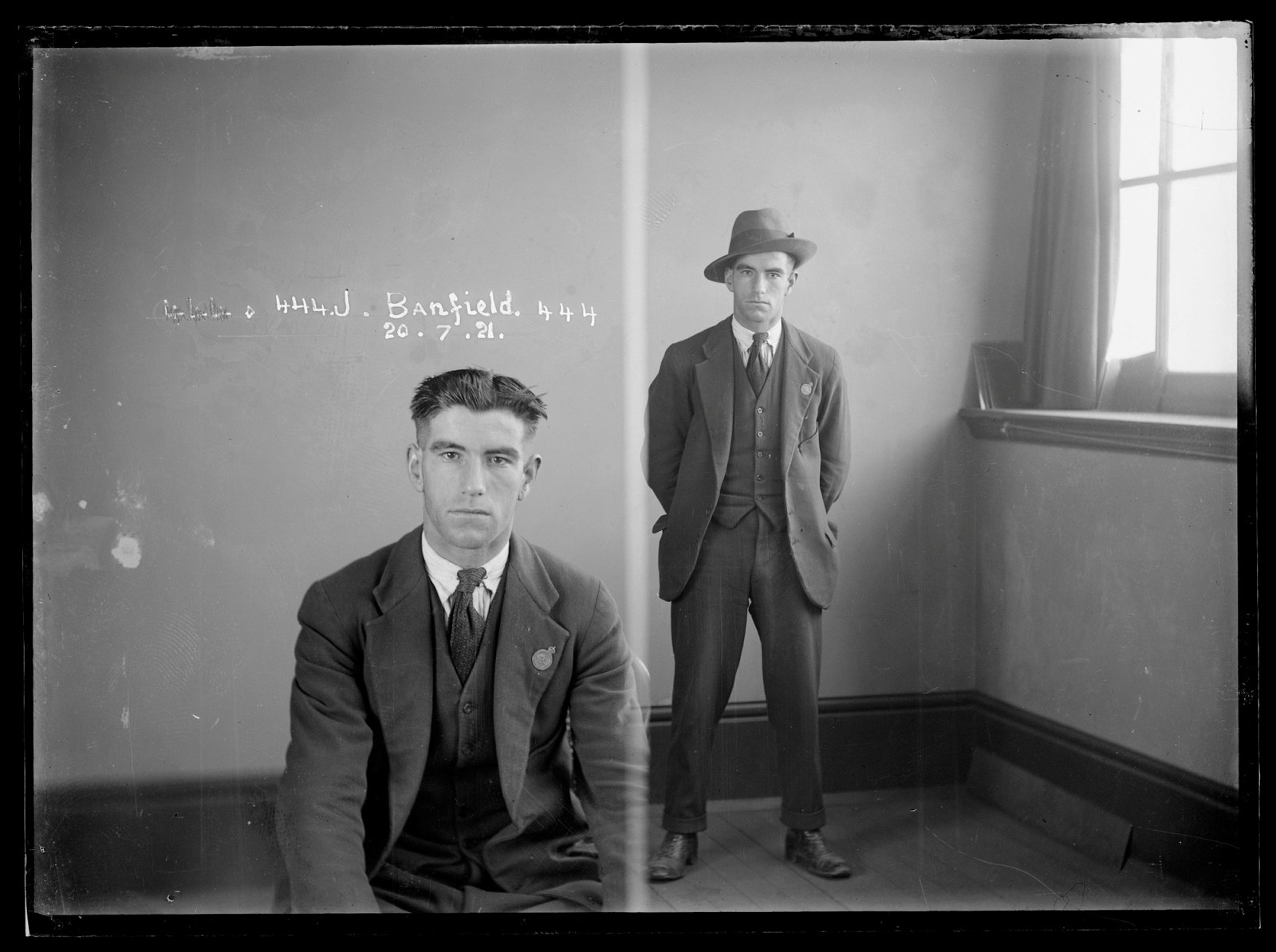
Two photos side by side, first showing seated man, second showing man standing, with hat on.
WW1

Returned from active service

In July 1921 James Arthur Banfield was arrested by Sydney police, photographed and charged on three counts of larceny

Stage 6

Photograph of Antonio Agostini with police in 1944

The law of provocation in Australia

How did past social values affect legal outcomes in Australia?